How to Choose Printed Corrugated Boxes for Global Shipping?
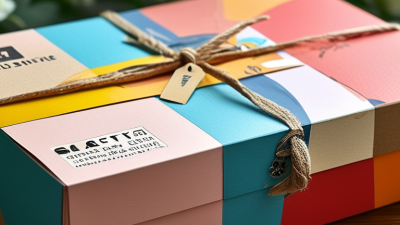
Choosing printed corrugated boxes for global shipping requires more than attractive graphics. The box must survive compression, humidity, vibration, stacking, and repeated handling. A bright retail design means little if the corners collapse in a wet container.
Smithers’ report, The Future of Corrugated Packaging to 2028, forecasts continued global growth in corrugated packaging, driven by e-commerce, food distribution, and consumer goods. Its findings reinforce one practical point: packaging demand is growing, but performance expectations are rising faster. Exporters should check board strength, flute structure, box dimensions, closure style, and print durability before approving production. The correct specification depends on product weight, shipping route, pallet pattern, and climate exposure.
Eleni Despotou, Director General of FEFCO, describes corrugated packaging as “a sustainable, renewable, and recyclable packaging solution.” That statement matters, but sustainability claims still require evidence. FEFCO’s European industry data shows strong recovery and recycling performance for corrugated packaging, although results differ between countries and collection systems. Do not treat one regional figure as a universal guarantee.
For many exporters, printed corrugated boxes offer useful branding without adding separate labels. Water-resistant coatings, scuff-resistant inks, and high-contrast barcodes can protect both appearance and warehouse accuracy. Yet overprinting can increase cost, and excessive graphics may reduce recyclability. This is easy to overlook.
A reliable selection process should include laboratory compression testing, humidity conditioning, transit trials, and supplier quality records. Test the actual box, not only a sample sheet. Global shipping is unpredictable. Your first specification may be wrong. That is acceptable, if the packaging is tested, reviewed, and improved before full-scale shipment.
Understanding Printed Corrugated Boxes for Global Shipping
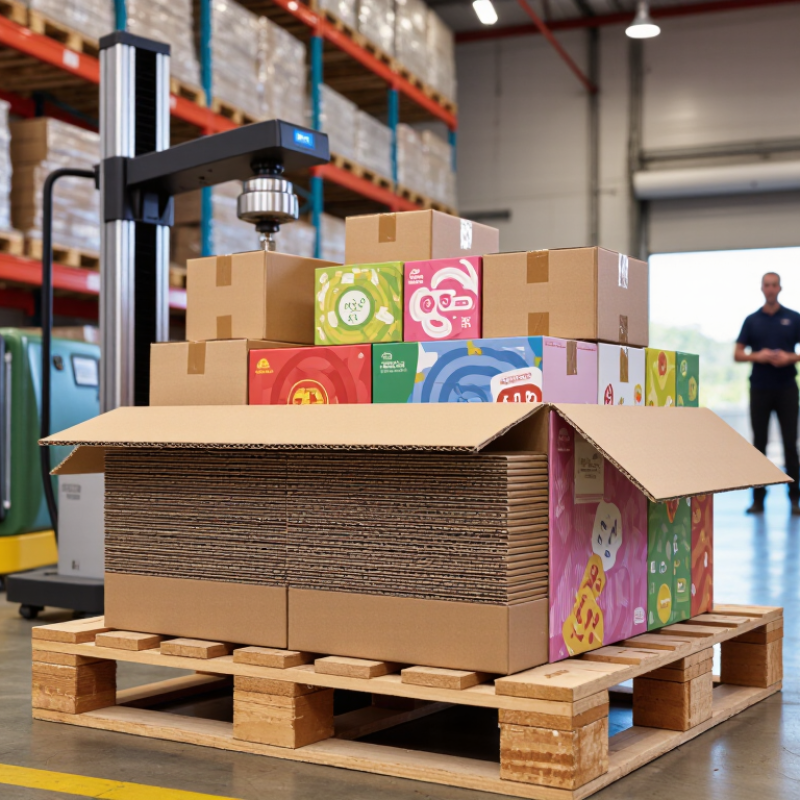
Printed corrugated boxes for global shipping are more than decorated cartons. They must protect products through stacking, vibration, humidity, and repeated handling. UNCTAD’s Review of Maritime Transport reports that maritime shipping carries over 80% of world trade by volume. That journey may expose a box to wet containers, port delays, and uneven warehouse floors.
Start with the box structure, not the artwork. Choose a flute profile and board strength based on product weight, stacking height, and shipping distance. Edge Crush Test results help estimate compression resistance. Burst strength can support material selection, but it does not replace real transit testing. Standards such as ISTA 3A, ASTM D4169, and ISO 12048 provide useful testing frameworks. A printed box should also keep warning marks, barcodes, and handling symbols readable after scuffing. Dark ink on damp kraft paper may look attractive, yet scan poorly. Small detail.
Smithers’ corrugated packaging market analysis forecasts continued global growth through 2028, driven partly by e-commerce and distribution demands. More shipments mean more pressure to reduce material without weakening protection. I would test a finished, printed sample rather than trust a laboratory sheet alone. Add a corner drop test, compression test, and humidity conditioning. The result may challenge the original design. That is useful. A beautiful carton that collapses in a humid container is not a successful shipping package. Recheck ink coverage, recycled fiber content, and closure performance before approving production.
Assessing Product, Size, and Structural Packaging Requirements
Choosing printed corrugated boxes for global shipping starts with the product, not the artwork. A ceramic item needs cushioning and controlled movement. A flexible garment needs compression resistance and moisture protection. The package should survive stacking, vibration, drops, and changing climates. ISTA testing procedures provide practical benchmarks for these hazards.
Size matters more than many exporters expect. Excess empty space increases movement, filler use, and dimensional weight charges. A 2024 industry report on corrugated packaging estimates the global market could exceed 205 billion dollars by 2029, driven partly by e-commerce shipments. That growth also exposes a weakness: attractive printing cannot compensate for poor box engineering. Measure the product, protective inserts, and sealing allowance together. Then test the packed box.
Structural requirements should reflect the route. A long ocean journey may require stronger board, better edge protection, and moisture-resistant treatment. Heavy products often need double-wall construction, while light products may perform well with single-wall board. The Fibre Box Association reports that edge crush strength and box compression remain central measures of corrugated performance. Still, specifications can mislead. I have seen a box pass a laboratory check but fail after repeated handling. That is why real shipment trials matter. Print only after the structure proves reliable.
Selecting Materials, Printing Methods, and Protective Features
Choosing printed corrugated boxes for global shipping starts with the material. Single-wall board suits lighter products and shorter routes. Double-wall board offers greater stacking strength for heavy items or long journeys. Check the edge crush rating, board thickness, and moisture resistance before approving a design. Moisture changes everything.
Printing method also affects performance and cost. Flexographic printing works well for large production runs and simple graphics. Digital printing supports shorter runs, variable artwork, and sharper photographic details. Use water-based inks when practical, especially for packages handled in warehouses and homes. Keep important handling marks readable after rubbing, bending, and exposure to humidity. Dark ink on a light panel usually improves visibility.
Protective features should match the product, not just the box appearance. Add internal partitions for glass containers, corner pads for equipment, or cushioning around sensitive edges. A full overlap closure can improve compression strength. Reinforced hand holes may help workers, but poorly placed cuts can weaken the panels. Test the real box. Drop tests, vibration tests, and stacking trials reveal problems that a computer model may miss. I have seen attractive packaging collapse because the print coverage covered a weak fold line. That mistake is easy to overlook. Small flaws matter. Also consider pallet size, climate changes, and repeated handling across several transport stages. A practical sample, filled with the actual product, often teaches more than a polished presentation mock-up.
Comparing Suppliers, Costs, and Quality Before Ordering
How to Choose Printed Corrugated Boxes for Global Shipping?
Comparing Suppliers, Costs, and Quality Before Ordering
Choosing printed corrugated boxes for global shipping requires more than comparing unit prices. A low quote may exclude printing plates, testing, moisture protection, or export packaging. Ask each supplier for a detailed quotation with board grade, flute type, box dimensions, print coverage, minimum order quantity, and delivery terms. Request samples made with the same materials, not display samples. A box that looks strong in a warehouse may weaken after several days in humid conditions.
Tips: Test before ordering. Fill a sample with the real product, then stack it for at least 48 hours. Check crushed corners, loose folds, ink rubbing, and lid alignment. Ask for compression or drop-test results when appropriate. Compare these records, but do not treat laboratory figures as a complete guarantee. Handling conditions can differ between factories, ports, and storage rooms.
Supplier reliability also affects the real cost. Review production lead times, replacement procedures, inspection support, and communication speed. I once focused too heavily on color accuracy and missed a weak inner fold; that mistake increased repacking work. Clear artwork approval, a physical pre-production sample, and written quality tolerances can prevent similar problems. Still, tolerances need practical review. Perfect printing may not justify a fragile box or an expensive freight footprint. Choose the supplier that balances structural performance, consistent quality, transparent pricing, and dependable delivery.
How to Choose Printed Corrugated Boxes for Global Shipping?
Comparing anonymous supplier tiers by typical planning cost, board strength, minimum order quantity, and production lead time before placing an order.
The figures are practical market-planning benchmarks for printed corrugated packaging at approximately 1,000 boxes per order.
Actual prices vary with box size, paper grade, print coverage, tooling, destination, freight, and order volume. ECT values indicate
edge-crush strength in pounds per inch; request a certified board specification and pre-shipment sample before ordering.