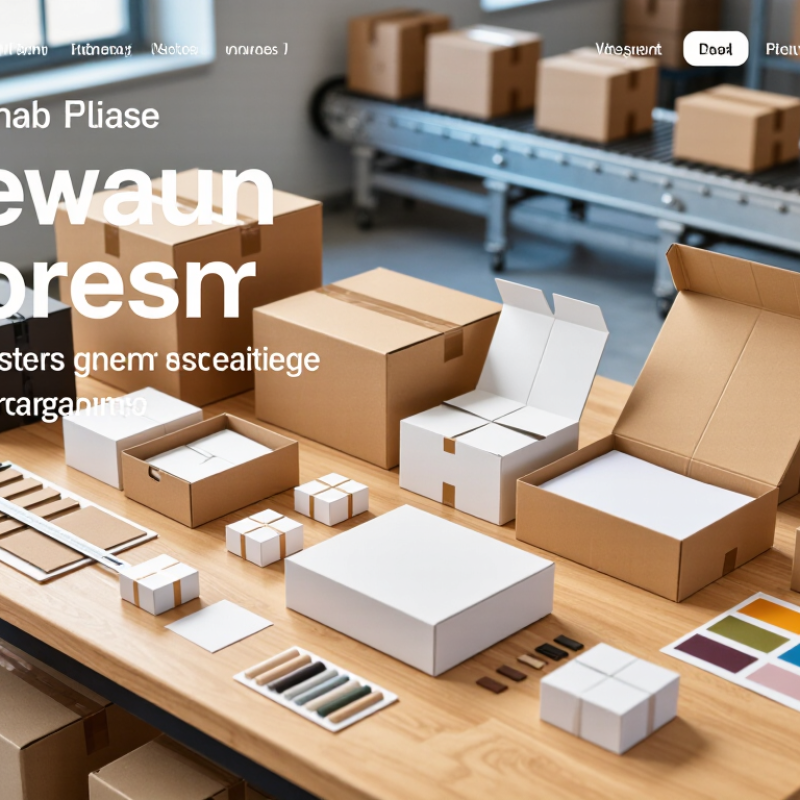
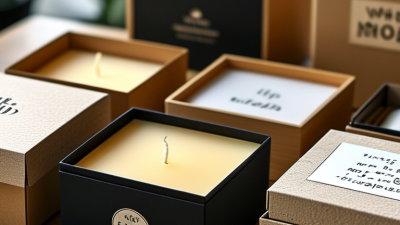
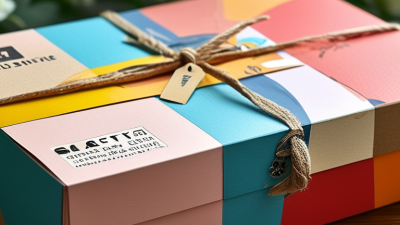
A curated selection of packaging products that fly off our shelves. Our customers love these bestsellers for their practicality and visual appeal, ensuring your products stand out and attract more buyers.
For global brands, the box is often the first physical meeting with a customer. A matte sleeve, crisp fold, or carefully placed logo can make an ordinary delivery feel considered. Yet personalized boxes must do more than look good. They need to protect products, fit shipping workflows, and arrive consistently across repeat orders. Small details matter: board thickness, print alignment, insert fit, and how easily staff can assemble each box.
Packaging historian Thomas Hine wrote, “Packaging is the only way we have of communicating with consumers at the point of sale.” That idea remains useful for online brands, too. A personalized box can carry a brand’s voice from warehouse to doorstep. But presentation is not proof of quality. Buyers should check samples, material specifications, production capacity, quality-control processes, and shipping timelines before choosing a supplier. A polished catalog may hide practical gaps.
This guide examines China’s top 10 personalized box suppliers for global buyers, with attention to customization, manufacturing strengths, communication, and order flexibility. The right supplier depends on the product and the buyer’s actual needs. A small cosmetics carton and a rigid gift box demand different materials and tolerances. There is no perfect choice. Even experienced buyers can overlook one detail, such as an insert that shifts during transit. Compare carefully, request a physical sample, and leave room to revise. That extra check can prevent an expensive disappointment.
The $1.05 trillion global packaging market figure associated with Smithers highlights the scale of packaging demand. It is a market-wide estimate, not a measure of custom-box sales alone. Definitions, reporting periods, and included packaging formats can change the numbers. Buyers should check the source and date before using the figure in forecasts.
Custom boxes serve practical purposes: protecting products, presenting them clearly, and fitting shipping or storage needs. When comparing suppliers in China, request material specifications, printed samples, and details about production tolerances. Check how the supplier handles color variation, box strength, and repeat orders. A glossy sample may look excellent but reveal little about performance after transit. Small details matter.
Tips:
Share product dimensions, weight, and delivery conditions before requesting a quote. Ask for a pre-production sample and confirm what changes could affect price or timing. Keep the approved sample for comparison. One caveat: a low unit price may not reflect setup, packing, or freight costs. Customization can improve fit, but it may also increase complexity. A clear specification makes supplier comparisons more reliable.
China’s personalized box market spans rigid setup boxes, folding cartons, and corrugated mailers. Each suits a different job. Rigid boxes feel substantial for gifts, while corrugated board protects heavier or shipped products. Common material choices include kraft paper, white-lined board, and recycled-content paperboard. Ask suppliers for board grade, thickness, and sample photos under neutral lighting; “premium” alone is not a measurable specification.
Printing routes affect cost and appearance. Digital printing suits short runs and variable artwork, while offset printing often fits larger, consistent orders. Flexographic printing is common for corrugated packaging. Finishes such as foil stamping, embossing, or matte lamination can add detail, but each may increase setup time or cost. Smithers’ report The Future of Global Packaging to 2028 projected the worldwide packaging market would reach about US$1.2 trillion by 2028. This broad market forecast is useful context, not a measure of personalized-box demand in China.
Tips: Request a dieline and a physical pre-production sample. Check color, fold lines, insert fit, and shipping protection. Small runs? Digital may work. Larger runs? Compare offset quotes. One easy-to-miss detail: artwork can look balanced on screen but shift near glued seams. Confirm tolerances and production lead time in writing; supplier estimates can still vary.
A useful top-ten ranking of personalized box suppliers should begin with order fit, not glossy samples. Record each supplier’s minimum order quantity (MOQ), quoted production lead time, and whether the quote includes printing, inserts, and shipping. A low MOQ helps test a new design, but the unit price may rise sharply. Ask for a dated sample and a written schedule. Small details matter: a 3-millimeter color shift can make a batch look inconsistent.
Certifications need context. Verify the certificate number, issuing body, scope, and expiry date; a logo on a brochure proves little. For export readiness, check carton marks, packing lists, customs-document experience, and shipment tracking. The World Bank’s 2023 Logistics Performance Index compares 139 economies and tracks shipment timeliness, among other measures. That makes delivery capability worth checking, not assuming. UNCTAD reports that maritime transport carries over 80% of world trade by volume, so packaging that withstands stacking and moisture deserves attention.
Score the ten candidates consistently: MOQ 25%, lead-time reliability 25%, verified certifications 20%, export readiness 20%, and sample quality 10%. These weights are practical, not universal. Ask for recent on-time delivery data and clarify whether the lead time starts after artwork approval or deposit. One weak point remains: supplier-reported figures are not always independently audited. Check references, inspect a production sample, and keep a small buffer in the schedule.
Indicative comparison by minimum-order flexibility, lead-time performance, certification readiness, and export readiness. Supplier labels are anonymous profile examples, not verified company rankings.
How to read: Scores are illustrative, normalized planning indicators (0–100), not supplier-specific facts. Higher scores indicate a more favorable buyer profile; confirm actual MOQ, production schedule, certificates, and export documentation directly with each supplier before ordering.
When comparing China’s personalized box suppliers, ask for ECT results in lb/in, not a vague “heavy-duty” label. ECT measures a board’s resistance to edge crushing. It helps assess stacking performance, but does not predict every shipping outcome. Box dimensions, flute profile, seams, and humidity also matter. Request a test report for the proposed board grade, then check whether the sample matches it. Small differences can matter.
Board GSM describes paper weight per square metre, not box strength by itself. A higher GSM may add substance, yet fiber quality and corrugated structure remain important. Compare the liner and medium specifications alongside ECT. For printing, define color tolerance in writing, including the measurement method, approved reference, and viewing conditions. ΔE is commonly used to describe color difference, but suppliers may use different targets or workflows. Ask for a printed proof on the actual board, since brown or coated surfaces can shift appearance. Check several areas under consistent light. A little variation may remain. That is worth discussing before production, rather than treating a screen preview as a guarantee.
ISTA 3A is designed for packaged products weighing up to 70 kg and moving through parcel delivery systems. It simulates common distribution stresses, including impacts and vibration. The exact sequence depends on the package’s size and form, so a compact mailer and a long carton may not follow identical steps. Check the current procedure before arranging a test.
For personalized boxes, test a sample built with the intended board, inserts, closure, and packed product. A small change in insert depth can let an item shift; a tight fold may weaken after repeated handling. Details matter.
Testing can reveal these weaknesses before a large production run, but results apply to the tested configuration. A pass is useful evidence, not a guarantee against every route, carrier, or handling condition.
Buyers should ask suppliers for the test scope, sample details, and report, then compare them with the actual shipment. We sometimes give print and appearance too much attention. For parcel protection, construction deserves equal scrutiny.