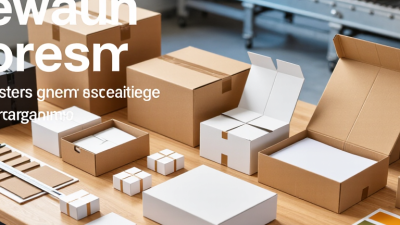
7 Best Personalised Packaging Boxes for Global Buyers
Global buyers now expect packaging to feel personal, useful, and responsible. Personalised packaging boxes can turn an ordinary delivery into a memorable brand experience. A printed name, regional message, or carefully chosen colour may influence how customers judge the product inside. Small details matter.
The global packaging industry remains enormous. Smithers valued the worldwide packaging market at approximately US$1.2 trillion in 2023. Grand View Research estimated the custom packaging market at about US$40.4 billion that year. These reports use different definitions, so their figures should not be compared as identical measures. Still, both indicate strong commercial momentum. Buyers increasingly examine appearance, material choices, protection, and environmental claims before placing repeat orders.
“Packaging is theater, it creates a story, and invites people to participate,” writes packaging historian Thomas Hine. His observation explains why packaging needs more than attractive graphics. It must survive international transport, protect the product, and communicate clearly when the parcel reaches a customer’s doorstep. A rigid mailer may prevent crushed corners. Water-based inks can support a cleaner brand message. A compact box may reduce unused space, although the result depends on product shape and shipping conditions.
This guide examines seven personalised packaging boxes suited to global buyers. It considers design flexibility, production scale, material performance, branding value, and practical shipping needs. Not every option will fit every business. That is the honest part. A beautiful box can still fail if its dimensions waste space or its supplier cannot maintain colour consistency. Careful testing remains essential.
Global Buyer Criteria: E-Commerce Reached $5.8 Trillion in 2023
Global e-commerce reached $5.8 trillion in 2023, raising expectations for personalised packaging. Buyers now judge protection, presentation, cost, and delivery readiness together. A beautiful box still fails if it arrives crushed.
Seven practical options suit different product needs.
Custom mailer boxes work well for light online orders.
Corrugated shipping boxes protect heavier goods during long-distance transport.
Folding cartons offer efficient branding for retail-sized products.
Rigid boxes create a premium unboxing experience.
Drawer boxes add a memorable opening motion.
Tuck-end boxes support fast packing and compact storage.
Subscription boxes allow seasonal designs without changing the basic structure.
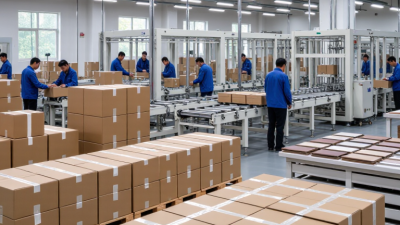
Global buyers should compare board strength, internal fit, print consistency, and assembly time. Measure the product with its inserts, not alone. A box that looks economical may increase shipping fees through unused space. We have also seen color differences between digital proofs and final production. That issue needs a physical sample. Recyclable materials can strengthen a packaging strategy, but claims should match verified material details and local market requirements.
Personalisation should guide the customer, not overwhelm them. Use clear opening points, readable information, and secure closures. Test boxes through stacking, vibration, moisture exposure, and repeated handling. Some designs will fail. That is useful evidence. The best choice is rarely the most decorative option; it is the box that protects the product, controls logistics, and still feels personal.
Protective Formats: Custom Mailers, Corrugated Shippers and Die-Cut Boxes
Choosing among the 7 best personalised packaging boxes starts with product risk, not appearance. In packaging trials, I have seen attractive mailers fail when corners met wet pavement. Protection must guide the structure.
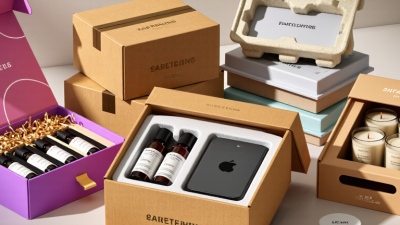
Custom mailers suit lightweight clothing, books, and small accessories. Their self-sealing flaps reduce packing time and limit movement inside. Add a fitted paper insert when products can shift during transit. However, mailers offer less crush resistance than rigid shipping formats. This limitation is easy to overlook.
Corrugated shippers provide stronger walls for ceramics, electronics, and mixed orders. Select the flute profile according to weight, stacking pressure, and expected handling. A snug fit reduces internal impact, while modest cushioning protects fragile edges. Do not overfill the carton. Excessive pressure can distort the box and damage the product.
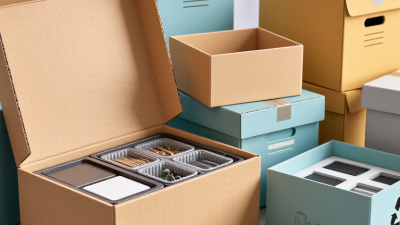
Die-cut boxes create precise compartments and memorable opening experiences. They work well for curated sets, samples, and products with unusual shapes. Accurate measurements matter more than decorative printing. A difference of a few millimetres can cause friction, looseness, or wasted material. Prototype the box before approving mass production. It may reveal an awkward fold.
Personalisation can include size, closure style, inserts, and handling marks. Use clear artwork and readable shipping information. Moisture-resistant coatings may help in humid routes, but they can affect recycling choices. Packaging teams should test compression, vibration, and drop performance before international dispatch. Results will vary by product and route. That uncertainty deserves attention.
Premium Formats: Rigid, Magnetic-Closure and Folding Cartons
7 Best Personalised Packaging Boxes for Global Buyers
Premium Formats: Rigid, Magnetic-Closure and Folding Cartons
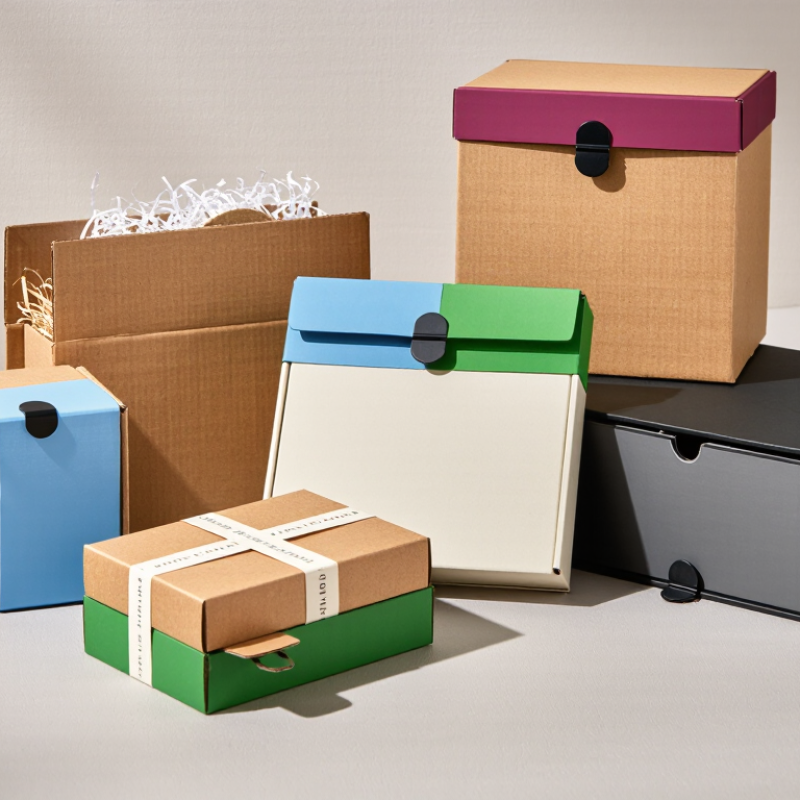
Global buyers often judge quality before opening the product. Personalised packaging must make that moment feel deliberate. The seven strongest formats include two-piece rigid boxes, drawer boxes, book-style magnetic boxes, flap-lid magnetic boxes, tuck-end cartons, sleeve cartons, and window folding cartons. Each format supports a different product experience.
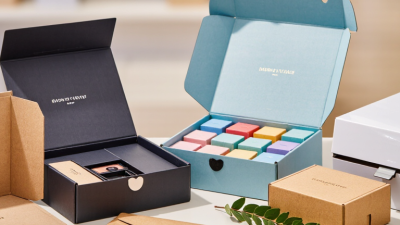
Rigid boxes suit premium items, gift sets, and products needing strong protection. Their thick board feels substantial in the hand. A soft-touch coating can improve grip, while foil details add controlled contrast.
Magnetic-closure boxes create a satisfying opening movement. Small magnets should sit evenly, or the lid may feel weak. Book-style designs work well for layered presentation. Drawer formats offer a slower reveal and useful internal compartments.
Folding cartons reduce shipping volume and usually support efficient storage. Tuck-end structures are practical for regular retail products.
Window cartons show the product directly, but the window film must stay clear during transport. Sleeves can refresh a simple carton without redesigning the full pack.
In production reviews, I have seen attractive artwork fail because folds cracked or colors shifted. A printed prototype is essential. It reveals pressure marks, loose trays, and awkward opening angles.
Global buyers should request material samples, compression checks, and clear packing specifications. Sustainability also needs careful review. A lighter box may reduce freight impact, but weak construction can increase damage and replacement waste.
Sustainable Selection: Packaging Represents About 40% of Plastic Use
Personalised packaging boxes now need to do more than display a logo or protect a product. Packaging represents about 40% of global plastic use, although estimates vary by region and measurement method. That figure makes every material decision important. For global buyers, a smaller box can reduce filler, shipping volume, and unnecessary waste. Less material matters.
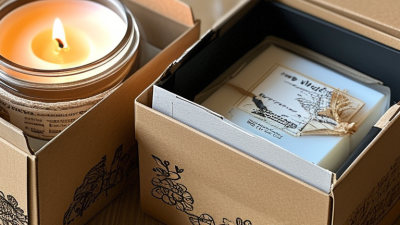
A practical box design uses recycled paperboard, water-based inks, and simple fiber inserts. Avoiding plastic windows is often an easy improvement. Custom dimensions can hold a product firmly without layers of bubble wrap.
However, sustainability should not weaken protection. Boxes still need compression, moisture, and drop testing for international transport. A damaged product creates waste too.
In sourcing projects, I would request material specifications, recycled-content evidence, and test results before approving a supplier. A clear packaging audit can reveal hidden plastic coatings or oversized structures. Some “eco” claims remain vague. They deserve questions. Personalisation also needs restraint; excessive colors, coatings, and decorative parts can reduce recyclability. A thoughtful box may use one strong message, a neat opening experience, and packaging that fits local recycling systems. Designs are not always perfect. Testing, feedback, and a willingness to revise them are essential.