Top 10 Types of Soap Packaging Boxes for Global Buyers?

Choosing the right soap packaging boxes affects protection, presentation, shipping efficiency, and customer trust. For global buyers, packaging is rarely just a decorative shell. It must protect soap from moisture, scuffing, crushing, and temperature changes during storage and international transport. A box that looks excellent on a showroom shelf may fail inside a humid warehouse.

This guide explores the top 10 types of soap packaging boxes used by brands, contract manufacturers, and importers. It considers folding cartons, sleeve boxes, rigid boxes, kraft cartons, window boxes, tuck-end designs, drawer boxes, and custom printed formats. Each option offers different strengths in cost, durability, branding, and assembly time. Small details matter. A tight tuck flap can prevent movement, while a poorly fitted window may collect dust or weaken the carton.

Material selection deserves careful attention. Recycled paperboard can support sustainability goals, but its surface may require better printing control. Kraft packaging creates a natural impression, although color consistency can be difficult across production batches. These are practical trade-offs, not marketing slogans.

The discussion also considers print quality, finishing, minimum order quantities, protective inserts, and supplier communication. Buyers should request samples before approving mass production. Even experienced teams can overlook barcode clarity or box dimensions. That mistake becomes expensive.

Reliable sourcing depends on measurable specifications, realistic testing, and transparent supplier records. This overview does not promise one perfect solution. Instead, it helps global buyers compare soap packaging boxes with greater confidence, question attractive claims, and choose packaging suited to their product, market, and shipping conditions.

Top 10 Types of Soap Packaging Boxes for Global Buyers?

What Defines a Soap Packaging Box and Its Main Functions

A soap packaging box is a purpose-built container made from paperboard, kraft board, or corrugated material. It holds a soap bar and protects it during handling, storage, and transport. Simply put, it is the soap’s first physical safeguard. Unlike a generic carton, its shape is designed around the bar’s size, weight, surface, and moisture sensitivity. Fit matters. An accurate die-cut reduces movement and limits scuffing on printed surfaces. Folding panels, locking tabs, or an inner sleeve can improve stability without adding excessive material. In practical packaging evaluations, small gaps often cause larger problems than expected.

Its main functions are protection, identification, communication, and efficient distribution. A firm box helps resist compression, dust, friction, and minor impact. It also creates space for product details, ingredient information, usage guidance, storage advice, and disposal instructions.

Global buyers may need clear labeling areas for different markets, languages, and handling requirements. Legible text and durable printing support reliable product communication. The box also shapes shelf presence through color, texture, opening style, and tactile finish. Appearance influences trust, but decoration should not weaken structural performance. That balance is easy to miss.

Packaging choices are rarely perfect.
A thicker board may protect better but increase shipping weight. A recyclable option can still perform poorly if its coating complicates recovery. Moisture testing, compression checks, and trial packing reveal these weaknesses before production. A useful test places filled boxes in a humid environment, then checks the folds, glue points, and bar surface for damage.

Ten Common Types of Soap Packaging Boxes for Global Markets

Ten Common Types of Soap Packaging Boxes for Global Markets

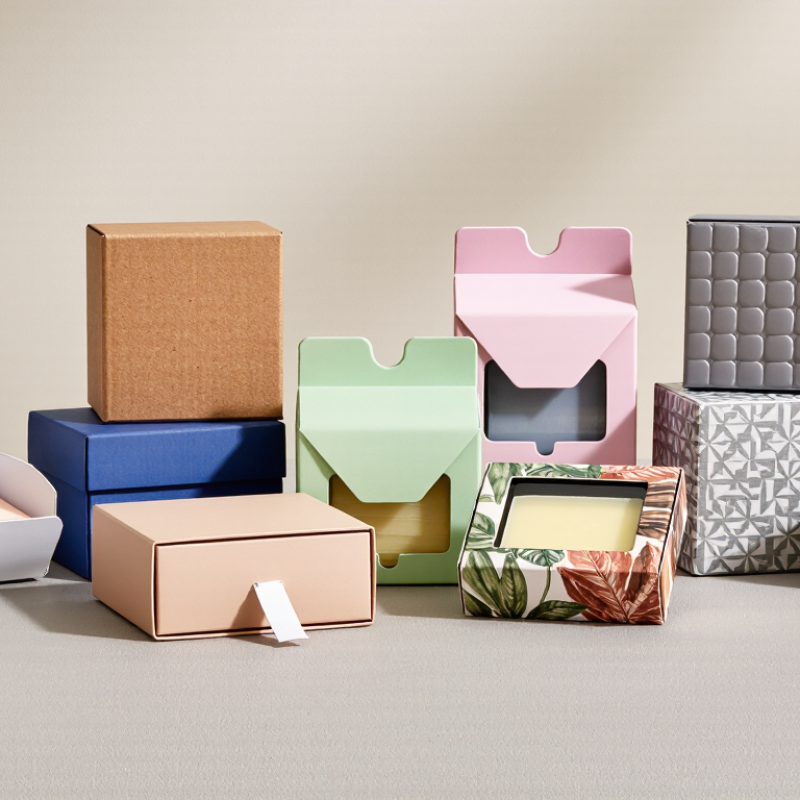
Global soap buyers usually choose packaging by product weight, shipping distance, shelf impact, and recycling goals. Tuck-end folding cartons suit everyday bars and ship flat, reducing storage volume. Sleeve-and-tray boxes add a premium feel while keeping material use moderate. Rigid setup boxes protect handmade or gift soaps with stronger walls. Drawer boxes create a smooth opening experience, although assembly costs can rise.

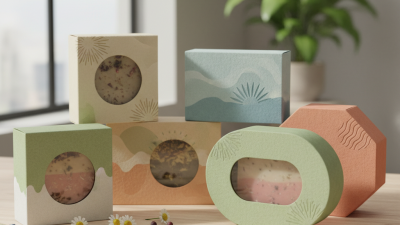
Window cartons display color, texture, and botanical pieces clearly. The window can complicate recycling, depending on local collection systems. Pillow boxes are lightweight and visually distinctive, but they offer limited protection for soft soaps. Kraft folding cartons support a natural appearance and simple printing. However, “natural-looking” does not always mean sustainable. Buyers should verify recycled content, inks, adhesives, and disposal instructions.

According to the OECD’s Global Plastics Outlook (2022), packaging creates about 40% of global plastic waste. That figure makes material selection commercially important, not merely decorative. Corrugated mailer boxes suit online orders and provide better protection during long-distance delivery. Tube-style paper boxes fit round or specialty soaps, but their unusual shape may increase filling labor. Insert-based gift boxes prevent movement and surface scratches, especially when several bars share one pack. Packaging buyers should request compression tests, moisture checks, and carton samples before approving volume production. The Sustainable Packaging Coalition’s guidance also stresses designing for recovery within real local systems. A beautiful box may still fail in a region without suitable recycling facilities.

Materials, Printing Methods, and Structural Features Compared

Global soap buyers commonly compare ten formats: tuck-end cartons, sleeve boxes, drawer boxes, two-piece rigid boxes, folding cartons, window boxes, kraft boxes, pillow boxes, hexagonal boxes, and wrap-around packs. Each serves a different retail purpose. Folding cartons use paperboard efficiently. Rigid boxes provide stronger protection and a premium hand feel. Kraft board looks natural, but its brown surface can soften bright colors. Recycled board supports responsible sourcing, although visible fiber marks may affect print consistency.

Offset printing delivers sharp graphics and stable colors for larger runs. Flexographic printing works well on kraft surfaces and simple designs. Digital printing suits samples and smaller batches, but unit costs can increase. Foil stamping and embossing create useful tactile contrast. Too much decoration may raise costs and complicate recycling.

Window boxes display the soap clearly, while drawer and two-piece structures protect molded or delicate bars. Sleeves reduce material use, but they need an inner wrap or carton. Hexagonal and pillow boxes attract attention, though they may stack poorly. A beautiful prototype can still fail during shipping.

Tips: Test the filled box, not only the flat sample. Check flap strength, moisture resistance, color accuracy, and pallet stacking. Request a pre-production sample with the final paper, ink, and finishing. Minor print variation is normal, but weak folds are not. Compare landed cost, assembly time, and shelf visibility before choosing a structure.

How to Match Soap Box Types with Products and Brand Needs

Soap packaging should match the product’s physical behavior, not only its visual style. Folding cartons suit standard bar soaps and support efficient shelf stacking. Kraft boxes work well for natural-positioned products, especially when a matte texture communicates simplicity. Rigid setup boxes create a premium unboxing experience, but they increase material use and shipping weight. Sleeves offer a lower-cost upgrade for plain cartons. Window boxes improve product visibility, although plastic windows can weaken recycling performance. Fit matters.

According to Smithers’ The Future of Sustainable Packaging to 2028, the global sustainable packaging market is forecast to approach US$393 billion by 2028. This trend supports paperboard, recycled fiber, and simplified structures. However, sustainability claims need evidence. The 2023 Global Commitment Progress Report from the Ellen MacArthur Foundation found reusable plastic packaging still represented less than 2% of packaging models tracked. Soap producers should therefore avoid vague “eco” language. Specify recycled content, fiber sources, or disposal instructions.

Product needs should guide the final format. High-oil soaps may require coated inner liners or tighter closures. Handmade bars often benefit from belly bands, tuck-end cartons, or breathable kraft wraps. Gift sets need rigid boxes with inserts that prevent movement. E-commerce orders need corrugated mailers and edge protection. A box that looks elegant in a showroom may arrive crushed after delivery. Test it.

Small imperfections deserve attention. A loose sleeve can slide. A window can fog in humid storage. Color may shift across recycled board. Sampling, compression testing, humidity testing, and a real shipping trial provide more reliable decisions than computer mockups. (Sources: Smithers, 2024; Ellen MacArthur Foundation, 2023.)

Top 10 Types of Soap Packaging Boxes for Global Buyers

Comparative product-fit benchmark showing how each soap box type matches common needs such as protection, shelf presentation, shipping efficiency, sustainability, and premium positioning.

How to read the chart: Higher scores indicate a stronger overall fit across practical packaging requirements. Folding cartons and tuck-end boxes are versatile for everyday bar soaps, while rigid, drawer, and insert boxes are better suited to premium gift sets. Kraft and corrugated formats prioritize sustainability and transport protection.

Global Buying Factors: Customization, Sustainability, and Cost

Top 10 Types of Soap Packaging Boxes for Global Buyers?

Global buyers usually compare ten practical formats: tuck-end cartons, sleeve boxes, drawer boxes, rigid boxes, two-piece boxes, kraft cartons, window boxes, mailer boxes, pillow boxes, and folding cartons. Each format supports a different buying goal. Tuck-end and folding cartons usually reduce material use and shipping volume. Rigid and drawer boxes create a stronger premium feel, but they add weight and cost. A small soap bar can look lost inside an oversized box.

Customization should begin with measurements, not artwork. Ask suppliers to test the box around the actual soap, including moisture exposure and label thickness. Consider inserts, embossing, spot coating, and structural windows carefully. They can improve shelf appeal. They can also complicate recycling and increase tooling charges. Custom printing works best when color proofs, paper samples, and production tolerances are approved before mass production.

Sustainability claims need evidence. Recycled paper, water-based coatings, and soy-based inks may support a lower-impact design, but supplier documentation matters. A lighter box often cuts freight costs. However, very thin board may bend in humid storage or during long-distance transport. That trade-off is easy to underestimate. Compare minimum order quantities, tooling fees, carton dimensions, pallet efficiency, and shipping terms together. The cheapest unit price is not always the lowest landed cost. A practical review should include one drop test and one moisture test. Real results can challenge the original design.

Top 10 Types of Soap Packaging Boxes for Global Buyers — Global Buying Factors: Customization, Sustainability, and Cost

Rank Packaging Box Type Typical Soap Application Customization Potential Sustainability Profile Protection Level Typical Cost Position Global Buying Considerations
1 Straight-Tuck-End Box Single bar soaps, guest soaps, and standard retail bars ★★★★★ High when produced with recyclable paperboard and water-based inks Medium Low to medium Efficient for automated packing; confirm board thickness, folding direction, and language requirements for each destination market.
2 Reverse-Tuck-End Box Handmade, natural, and premium-looking soap bars ★★★★★ High if plastic-free paperboard and recyclable coatings are used Medium Low to medium Offers strong printing area and easy assembly; suitable for small and medium production runs.
3 Sleeve and Tray Box Gift soaps, multi-bar sets, and coordinated product collections ★★★★★ Medium to high, depending on whether the tray and sleeve are made from compatible recyclable materials High Medium to high Creates a premium unboxing experience; buyers should check the added material usage, assembly time, and shipping volume.
4 Two-Piece Rigid Box Luxury soaps, spa sets, and premium gift packaging ★★★★★ Medium; recyclable paperboard is preferred, while magnets, foam, and laminated finishes may reduce recyclability Very high High Provides excellent presentation and product protection but usually has higher tooling, labor, storage, and freight costs.
5 Window Soap Box Retail soaps where product visibility is important ★★★★☆ Medium; paperboard is recyclable, but the plastic window may require separation or a recyclable alternative Medium Medium Useful for showing color, shape, or texture; verify window material, adhesive performance, and local recycling rules.
6 Pillow Box Small soaps, wedding favors, samples, and promotional packs ★★★★☆ High when made from uncoated or recyclable paperboard Low to medium Low Lightweight and visually distinctive; less suitable for heavy bars or long-distance shipping without an outer carton.
7 Kraft Soap Box Organic, natural, zero-waste, and artisan soap lines ★★★★☆ High when made from responsibly sourced, uncoated kraft paperboard Medium Low to medium Natural appearance supports sustainability positioning; specify recycled content, responsible forestry certification needs, and moisture resistance.
8 Drawer-Style Box Premium single bars, gift sets, and reusable presentation packs ★★★★★ Medium to high if made entirely from paperboard without plastic inserts High Medium to high Improves perceived value and reusability; buyers should account for higher material consumption and slower packing compared with tuck boxes.
9 Folding Carton with Insert Soap bars with accessories, samples, or multiple product components ★★★★★ Medium to high; paper inserts are generally easier to recycle than plastic or molded foam inserts High Medium to high Controls product movement and supports complex assortments; confirm insert fit, assembly labor, and dimensional-weight charges.
10 Gable or Handle Box Soap gift sets, seasonal bundles, and market or event packaging ★★★★☆ Medium to high when produced from recyclable paperboard with paper handles Medium Medium Convenient for gifting and carrying; handle strength, carton volume, and pallet efficiency should be tested before export orders.
Buying note: Cost positions are comparative industry estimates for similar quantities and specifications, not fixed quotations. Final pricing depends on board grade, dimensions, print coverage, finishing, inserts, order quantity, tooling, labor, shipping method, and destination-market compliance requirements.
Get Free Instant Quote

    Questions? We can help.
    Contact a Packaging Specialist for product & pricing information.