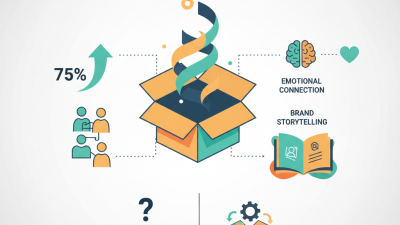
Top Small Business Packaging Boxes Trends for 2026?
In 2026, small business packaging boxes will undergo significant changes. The right packaging can capture consumer attention and drive sales. As more businesses embrace sustainability, eco-friendly materials will take center stage. This shift reflects growing environmental awareness among consumers.
Customization will also be key. Small businesses can tailor boxes to fit their unique brand identities. Personalized packaging resonates with customers. It creates a memorable unboxing experience that encourages repeat purchases. However, many businesses struggle to balance creativity with cost-effectiveness.
Additionally, e-commerce growth impacts packaging design. Small business packaging boxes must meet shipping demands while maintaining brand integrity. Innovation in protective materials is essential. Companies may face challenges in sourcing sustainable options that protect products effectively. Thoughtful design can differentiate a business in a crowded market. The future of packaging is bright, yet it requires careful consideration and adaptability.
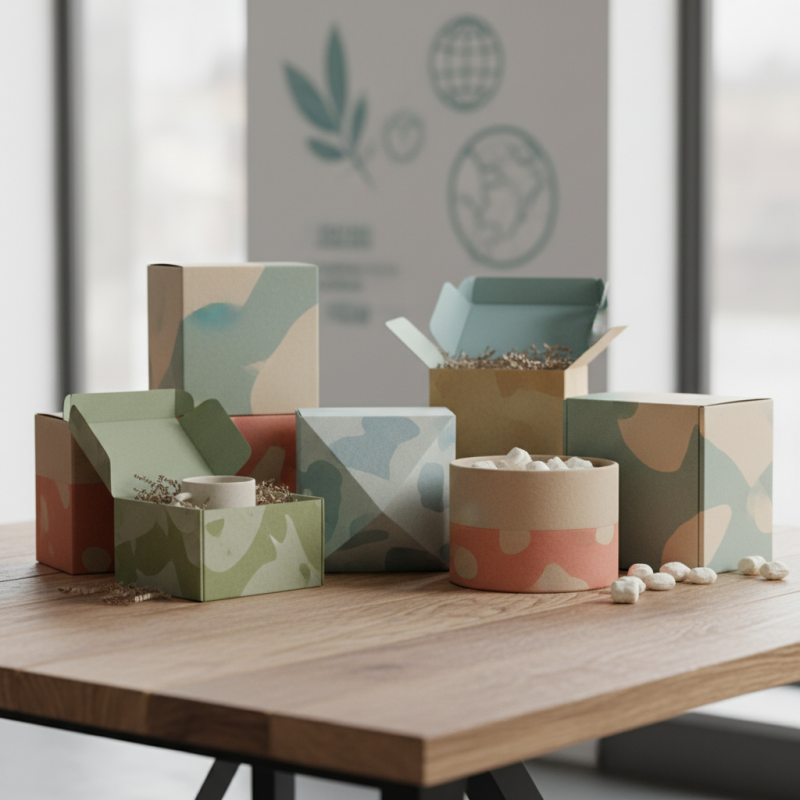
Emerging Eco-Friendly Materials for Small Business Packaging in 2026
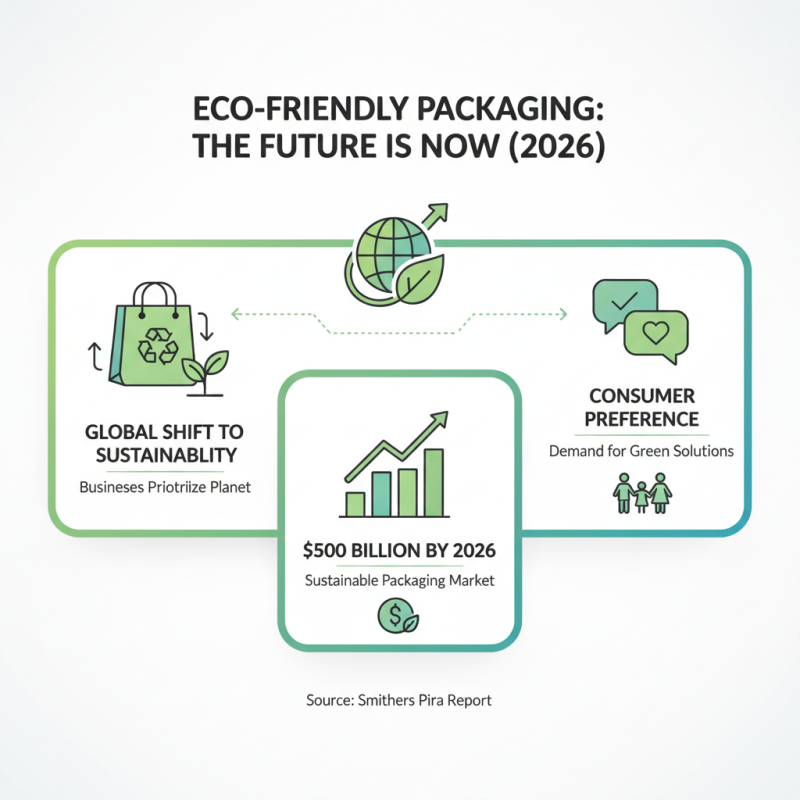
As we approach 2026, the trend towards eco-friendly packaging materials continues to gain momentum. Businesses are increasingly prioritizing sustainability. According to a recent report by Smithers Pira, the global market for sustainable packaging is expected to reach $500 billion by 2026, highlighting a significant shift in consumer preference.
One emerging material making waves is mycelium. It’s a natural, biodegradable option derived from fungi. This material could replace conventional plastic in many packaging applications. Companies are experimenting with mycelium-based packaging, noting its low environmental impact and compostability. These innovations provide a sense of hope, yet challenges remain. Production scalability and cost-effectiveness must be addressed for widespread adoption.
Another promising option is plant-based plastics. These materials are gaining traction, with the bioplastics market projected to grow by 20% annually. While they offer a renewable and compostable alternative, questions linger about their lifecycle impact. Recent studies highlight potential trade-offs between agricultural land use and sustainability. Small businesses must navigate these complexities to adhere to eco-friendly goals while ensuring viability in the market.
Innovative Design Trends Influencing Packaging Aesthetics and Functionality
In 2026, packaging design will undergo significant transformations. A recent report indicated that 72% of consumers prefer sustainable packaging options. This shift is not just about eco-friendliness; it's also about aesthetics. Innovative designs are taking center stage, appealing to the modern consumer's desire for visually striking products. Many small businesses are experimenting with textured materials and minimalist designs to create memorable unboxing experiences.
Functionality is another critical aspect influencing trends. According to industry insights, 65% of consumers prioritize convenience in packaging. This means easy-open features and reusable designs are becoming essential. Small businesses are exploring smart packaging technologies, integrating QR codes or NFC chips to provide additional information. Such innovations enhance customer engagement but also raise concerns about usability. Not all consumers are tech-savvy, potentially alienating a section of the market.
Combining aesthetics with functionality brings challenges. Striking the right balance is not always easy. There's a risk of overcomplicating designs, leading to frustration. Feedback loops are crucial. Small businesses need to gather consumer insights constantly to refine their packaging strategies. Listening to customer preferences can guide better design decisions, ensuring aesthetics and function align perfectly.
The Role of Technology in Revolutionizing Packaging Solutions for SMEs
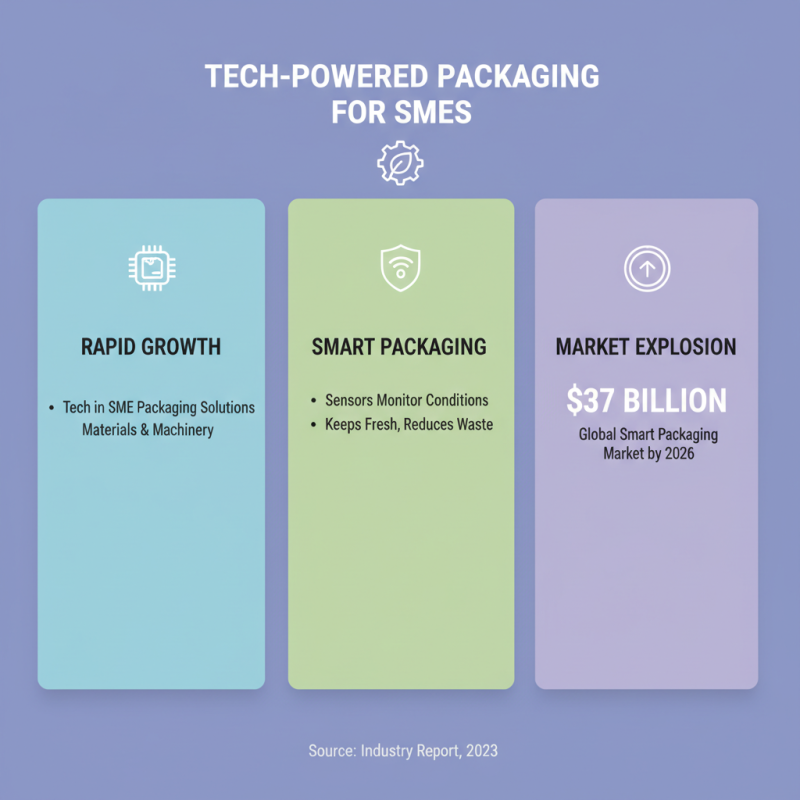
The role of technology in packaging solutions for SMEs is growing rapidly. Innovations in materials and machinery are transforming the landscape. For example, smart packaging technology, which integrates sensors, can help monitor product conditions. This keeps products fresh and minimizes waste. A recent report indicates that the global smart packaging market will reach $37 billion by 2026, reflecting a significant shift.
Automation is another key trend. Many small businesses are adopting automated packing technologies. These solutions enhance efficiency and reduce labor costs. They can also improve precision in packaging sizes, which decreases material use. Data shows that around 66% of SMEs believe automation will significantly impact their growth in the next few years. However, implementation can be a challenge. Many SMEs may struggle with the upfront costs or technical training.
Sustainability remains a critical focus. Eco-friendly packaging materials are in demand. Trends indicate that 70% of consumers prefer brands with sustainable practices. Despite this insight, many small businesses face difficulties sourcing these materials. They often feel overwhelmed by options and regulations. Balancing sustainability with cost-effectiveness continues to be a complex equation for smaller enterprises.
Consumer Preferences Shaping Small Business Packaging Strategies in 2026
As we look ahead to 2026, consumer preferences are driving changes in small business packaging. Eco-friendly materials are gaining popularity. Shoppers want packaging that is sustainable and recyclable. This trend influences businesses that prioritize green practices. Many companies are experimenting with biodegradable options that minimize environmental impact.
Customization is another crucial aspect. Consumers love unique packaging that reflects their values. Small businesses are designing boxes that tell a story. This adds emotional value for buyers, making them more likely to choose a brand. However, striking the right balance can be challenging. Businesses must consider cost while delivering on customer expectations.
The demand for convenience is rising. Packaging that is easy to open and store resonates with consumers. Streamlined designs can make a product more appealing. But small businesses must avoid overcomplicating their packaging. Simplified boxes can sometimes lead to missed branding opportunities. It’s a fine line to walk, and businesses should learn to adapt over time.
Top Small Business Packaging Boxes Trends for 2026 - Consumer Preferences Shaping Small Business Packaging Strategies in 2026
| Trend |
Consumer Preference (%) |
Importance for Small Businesses (%) |
Implementation Year |
| Eco-Friendly Packaging |
85% |
90% |
2026 |
| Customizable Boxes |
70% |
80% |
2026 |
| Minimalist Design |
65% |
75% |
2026 |
| Smart Packaging (QR Codes/AR) |
60% |
70% |
2026 |
| Luxury Packaging Finishes |
50% |
60% |
2026 |
Key Regulations and Standards Impacting Small Business Packaging Choices
As small businesses gear up for 2026, packaging choices will be significantly influenced by evolving regulations and standards. Governments are increasingly focusing on sustainability. New rules aim to minimize waste and encourage recyclable materials. This push can drive small businesses to rethink their packaging strategies.
For instance, using biodegradable materials can reduce environmental impact. However, finding affordable suppliers can be challenging. Many small business owners might hesitate to switch due to perceived costs. This uncertainty can stall innovation in packaging design.
Moreover, safety regulations play a crucial role. Packaging must protect products without harming consumers. Failure to comply can lead to fines or loss of customer trust. Small businesses need to stay updated on these laws. Keeping up can be overwhelming. Yet, adapting to regulations is essential for growth and reputation.