A curated selection of packaging products that fly off our shelves. Our customers love these bestsellers for their practicality and visual appeal, ensuring your products stand out and attract more buyers.
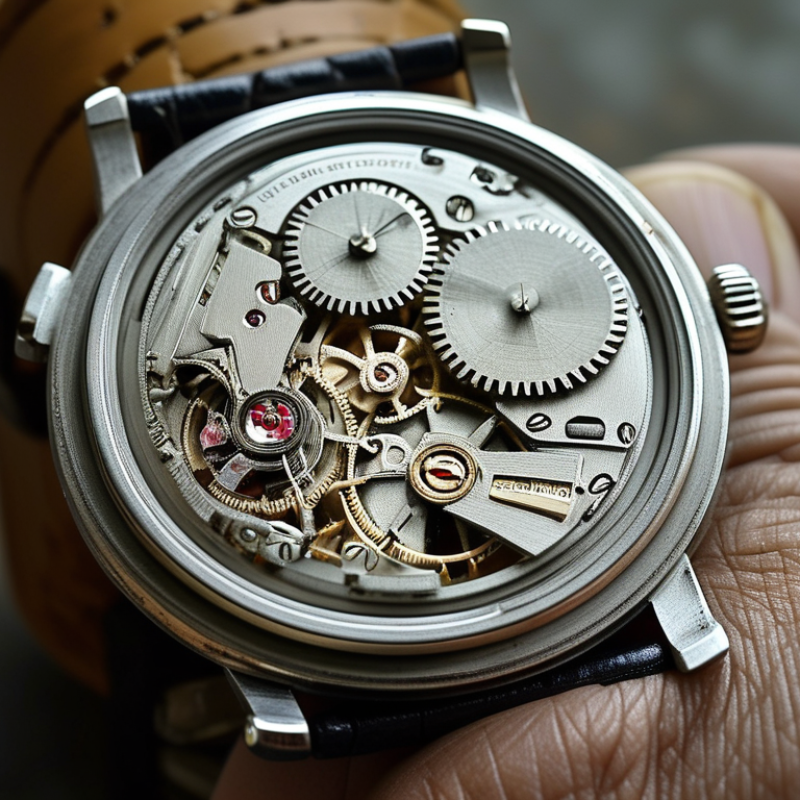
Choosing the right Mechanical Watches can feel like entering a quiet world of springs, gears, and patient craftsmanship. A polished case may attract attention, but the movement inside deserves closer inspection. This guide explores respected mechanical watches across different budgets, styles, and levels of complication. It considers build quality, movement reliability, finishing, comfort, service support, and long-term value.
Real ownership involves more than a beautiful photograph. A watch may feel balanced on the wrist, yet appear heavy after several hours. Its winding action might feel smooth, or slightly rough. Small details matter, including the crown grip, clasp adjustment, crystal clarity, and legibility under weak light. These practical observations help separate daily companions from impressive display pieces.
The selection also draws on established horological knowledge, manufacturer specifications, movement architecture, and professional servicing considerations. Brands with strong histories deserve attention, but reputation alone should not decide a purchase. A famous name can still offer an unsuitable design or an inconvenient service schedule. No ranking is perfect. Personal taste changes the answer.
Some readers may prefer a slim hand-wound model for formal clothing. Others may need an automatic watch that survives commuting, travel, and changing weather. Water resistance, magnetic protection, accuracy expectations, and repair access should influence every choice. Prices can shift, and availability can be uneven. Therefore, the “best” watch depends on how, where, and why it will be worn. This introduction sets a practical foundation for comparing standout Mechanical Watches with curiosity, restraint, and a willingness to question first impressions.
A high-quality mechanical watch begins with controlled engineering, not a smooth seconds hand. The Deloitte Swiss Watch Industry Study 2024 lists quality and durability among the strongest purchase considerations. That matches practical experience. A well-made movement should start reliably, wind evenly, and hold stable time across changing positions.
Look for evidence beyond polished photographs. The COSC chronometer standard tests movements for 15 days, in five positions and three temperatures. Its accepted average daily rate is between -4 and +6 seconds. Certification is valuable, but it is not compulsory for excellence. Case thickness, water resistance, service access, and shock protection also matter. A sapphire crystal can resist scratches, yet it will not repair poor regulation.
The Federation of the Swiss Watch Industry reported in 2024 that mechanical watches generated roughly 80% of Swiss watch export value, despite representing a much smaller share of units. That gap reflects complexity and perceived longevity, not automatic superiority. I still inspect the crown, clasp, dial alignment, and movement finishing under magnification. Small flaws can reveal rushed assembly. However, visual decoration can mislead. A beautifully striped rotor may hide mediocre accuracy. Service records remain more useful than glamour. Even expert judgments have limits, especially without seeing the watch after months of daily wear.
A mechanical watch stores energy in a wound mainspring, not a battery. Its movement transfers that energy through gears and a regulating system. Manual-winding models need daily winding. Automatic models use a rotor that winds the spring while the wrist moves. The difference feels practical: a manual watch invites a morning ritual, while an automatic watch offers convenience.
Movement quality depends on more than jewel counts. Check the power reserve, service history, accuracy tolerance, and winding feel. A longer reserve can be useful, but it may involve a larger spring barrel or slower balance frequency. Higher frequencies can improve resistance to small timing changes, yet they may increase friction and servicing demands. I have found that a smooth crown action often reveals more than attractive specifications.
Industry data supports mechanical watches’ continued value. The Federation of the Swiss Watch Industry reported that mechanical models generated roughly 80% of Swiss watch export value in 2023, despite representing less than one-third of exported units. Deloitte’s Swiss Watch Industry Study also identifies mechanical watches as central to long-term industry positioning. These figures show demand, not guaranteed quality. That distinction matters.
For a first purchase, compare the movement architecture and repair network before choosing the case design. An independently tested accuracy certificate adds useful evidence, though it cannot predict every wrist position. My preference is a dependable automatic movement with accessible servicing. It is not the most romantic choice. It is often the least troublesome.
Comparing mechanical watches starts with the movement, not the dial. A reliable movement should run consistently, offer smooth hand motion, and resist everyday shocks. Check its stated accuracy, but treat laboratory figures carefully. Real-world performance changes with position, temperature, and how often the watch is worn.
Power reserve affects daily convenience. A longer reserve can keep the watch running through a weekend, while a shorter one may require frequent resetting. Examine the case material, crystal type, crown design, and water-resistance rating.
A firm crown and clear seals matter more than decorative details near a sink or during light rain. Fit matters. The watch should sit securely without pressing into the wrist.
Service history is another practical comparison point. Ask whether maintenance records exist and whether replacement parts remain available. An independent inspection can reveal magnetization, excessive wear, or poor regulation. I once overvalued finishing and ignored comfort, which made an expensive watch less enjoyable. My comparisons are not perfectly scientific. Wrist size, climate, and routine change the result. Look closely at legibility, especially under weak indoor light. Inspect the clasp, edges, and winding feel in person. A trustworthy seller should explain the movement’s origin, service intervals, warranty terms, and return conditions clearly. Fancy language cannot replace evidence.
What Are the Top Mechanical Watches to Buy?
Top Mechanical Watches by Style and Purpose
A dress mechanical watch suits quiet rooms, tailored clothing, and formal appointments. Choose a slim case, restrained dial, and clear hands. A leather strap usually feels more natural than a heavy bracelet. I once preferred a large dial for readability, but it looked awkward with a narrow cuff.
For outdoor work, a field-style watch offers practical strength. Look for strong lume, high contrast, and a case that tolerates daily knocks. A simple three-hand layout reduces distractions. Water resistance matters, even away from the sea. However, ratings are laboratory measurements, not invitations to ignore damaged seals. Have the seals checked before frequent swimming.
A diver-style mechanical watch fits water activities and active travel. A rotating timing bezel can track short intervals without electronics. Its thicker case may feel excessive under a shirt. It is not for everyone. A pilot-inspired design favors quick reading, large numerals, and a broad crown. That crown can catch on clothing, which surprised me during regular commuting.
For travel, consider a reliable power reserve and an independently adjustable hour hand. This feature helps when crossing time zones. Check the movement’s service history, accuracy, and winding feel before buying. A longer reserve sounds attractive, but it may increase case thickness. Personal comfort often matters more than specifications. Test the watch for a full day, not just five minutes in a shop.
Top mechanical watches by style and purpose
| Style or Purpose | Recommended Watch Type | Typical Features | Typical Power Reserve | Typical Water Resistance | Best For | Buying Priorities |
|---|---|---|---|---|---|---|
| Everyday Wear | Automatic three-hand watch | Hours, minutes, seconds, and often a date display; versatile case and bracelet or leather strap | 40–72 hours | 50–100 m | Daily office, casual, and smart-casual use | Comfort, legibility, scratch-resistant crystal, service support, and a neutral case size |
| Formal Dress | Thin hand-wound or automatic dress watch | Minimal dial, slim profile, polished case, discreet seconds display, and leather strap | 40–72 hours | 30–50 m | Business attire, ceremonies, and formal events | Case thickness, restrained proportions, dial clarity, and comfortable strap quality |
| Traditional Craftsmanship | Hand-wound mechanical watch | Manual winding, visible movement decoration, sweeping seconds hand, and strong connection to traditional watchmaking | 40–72 hours | 30–50 m | Collectors and enthusiasts who enjoy a daily winding ritual | Winding feel, finishing, movement architecture, accuracy, and ease of servicing |
| Sports and Outdoor Use | Robust automatic field or sports watch | High-contrast dial, luminous hands and markers, shock-resistant construction, and strong crown protection | 40–80 hours | 100–200 m | Travel, hiking, active lifestyles, and everyday durability | Readability, impact resistance, anti-magnetic protection, secure strap, and service intervals |
| Diving | Mechanical dive watch | Unidirectional timing bezel, luminous display, screw-down crown, robust case, and high water resistance | 40–80 hours | 200 m or more | Swimming, snorkeling, diving, and demanding water-related activities | ISO 6425 compliance where relevant, bezel action, legibility, crown security, and bracelet extension |
| Travel Across Time Zones | Automatic GMT or dual-time watch | Additional 24-hour hand or display for tracking a second time zone; some models allow independent local-hour adjustment | 40–80 hours | 50–100 m | Frequent travelers, international work, and maintaining home time abroad | True local-time adjustment, clear 24-hour scale, bezel readability, and anti-magnetic resistance |
| Timing Events | Mechanical chronograph | Independent stopwatch function with start, stop, and reset controls; often includes sub-dials | 40–72 hours | 50–100 m | Timing activities, motorsport interest, and complication collectors | Pushers, column-wheel or cam-actuated operation, elapsed-time legibility, and movement serviceability |
| Classic Complications | Mechanical watch with moon-phase or annual-calendar display | Additional calendar or astronomical indication beyond basic time and date functions | 40–72 hours | 30–50 m | Collectors seeking visual complexity and traditional complications | Correction procedure, calendar legibility, leap-year handling where applicable, and servicing expertise |
| Long-Term Collecting | High-finish mechanical watch | Detailed movement decoration, carefully finished components, refined case work, and display back | 40–120 hours | 30–100 m | Experienced collectors and horology enthusiasts | Finishing quality, technical originality, movement reliability, documentation, and long-term service access |
| Vintage-Inspired Style | Retro mechanical or automatic watch | Period-influenced case proportions, domed crystal, sector or textured dial, and classic hand shapes | 38–72 hours | 30–100 m | Wearers who value historical styling with modern construction | Crystal durability, modern sealing, accurate proportions, comfortable dimensions, and replacement parts |
Note: Power reserve and water-resistance figures are typical ranges for each category. Actual performance depends on the movement, case design, seals, maintenance condition, and the manufacturer’s specifications.
How to Choose the Right Mechanical Watch for Your Needs
A mechanical watch should match your daily routine, not only your taste. The Federation of the Swiss Watch Industry reported that mechanical watches generated roughly four-fifths of Swiss watch export value in 2024. That figure reflects lasting demand for traditional craftsmanship, but popularity does not guarantee suitability.
Start with the movement. A hand-wound calibre suits owners who enjoy a daily ritual. An automatic movement is more practical for regular wear. Check the power reserve, accuracy expectations, and service access before buying. A certified chronometer can offer stronger performance evidence, but certification often increases cost. For office use, choose a thinner case and clear dial. For travel or outdoor work, prioritize legibility, shock resistance, and at least 100 metres of water resistance. Case diameter matters too. A 38–40 mm case often feels balanced, yet wrist shape changes everything. I still think many buyers choose oversized watches too quickly.
Tips: Try the watch for ten minutes. Check the lugs. They should not extend beyond your wrist. Compare the warranty and expected service interval. Read the movement specifications, not only the sales language. Set a realistic budget, including future maintenance. Deloitte’s Swiss Watch Industry Study has repeatedly identified quality and craftsmanship as important purchase drivers, but emotional appeal can still distort judgment. Sleep on the decision.
Compare common mechanical watch categories by their typical power reserve. Longer power reserves reduce the need for frequent winding, while daily-wear and dress watches often prioritize compact size and comfort.
How to choose: Choose a daily automatic watch for convenience, a hand-wound dress watch for a slim profile and traditional interaction, an extended-reserve model if you rotate several watches, or a diving-style mechanical watch when water resistance and durability are priorities. Values show representative specifications commonly found in each category.