2026 Top Die Cut Box Types for Global Buyers?
In 2026, choosing die cut boxes is a practical decision about protection, presentation, and shipping efficiency. Global buyers must compare more than shape. Board strength, product weight, transit distance, assembly time, and print requirements all affect the right specification. A compact mailer may suit cosmetics or small electronics, while a reinforced design may better protect heavier goods. The details matter: a locking tab that closes cleanly, a snug insert, and corners that resist crushing can reduce damage and packing frustration.
The design also speaks before the product is opened. Graphic designer Paul Rand wrote, “Design is the silent ambassador of your brand.” His point applies to packaging: a precise cut, clean fold, and consistent print can make a box feel considered. But appearance cannot replace testing. Buyers should request production samples, check fit with the actual product, and review how boxes perform when stacked and shipped. A sample on a desk is not a shipment.
This guide examines leading die cut box types for global purchasing, from mailers and tuck-end cartons to custom inserts and protective designs. It considers materials, customization, and sourcing questions buyers should raise with suppliers. Not every premium finish earns its cost. And not every lightweight box travels well. The best choice depends on real product dimensions, handling conditions, and honest testing—not a polished mock-up alone.
What Defines a Die-Cut Box and How Is It Made?
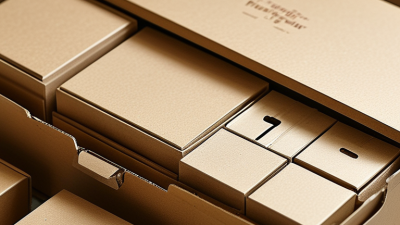
A die-cut box is packaging shaped with a cutting tool rather than made only from standard straight folds. The tool presses a sharp steel rule through paperboard or corrugated sheet, creating the box outline, slots, tabs, and fold lines. That matters. A well-designed cut can help a box close securely without tape, while a poorly placed tab may tear during assembly.
Production begins with a drawing that specifies dimensions, material thickness, and the product’s fit. A sample is cut and folded by hand, then checked around the corners and closure. Small adjustments can make a real difference. Once approved, a cutting die is fitted to a press, and sheets are cut in batches. Printed surfaces may be laminated or coated, but extra finishes can affect how cleanly the board folds. Not every cut fits. Packaging teams should test the finished box with the actual product, since weight, shape, and handling can expose weaknesses that a flat sample hides. Some details are easy to overlook, especially when a design looks neat on screen. A physical trial is less convenient, but usually more informative.
Which Die-Cut Box Structures Suit Different Products?
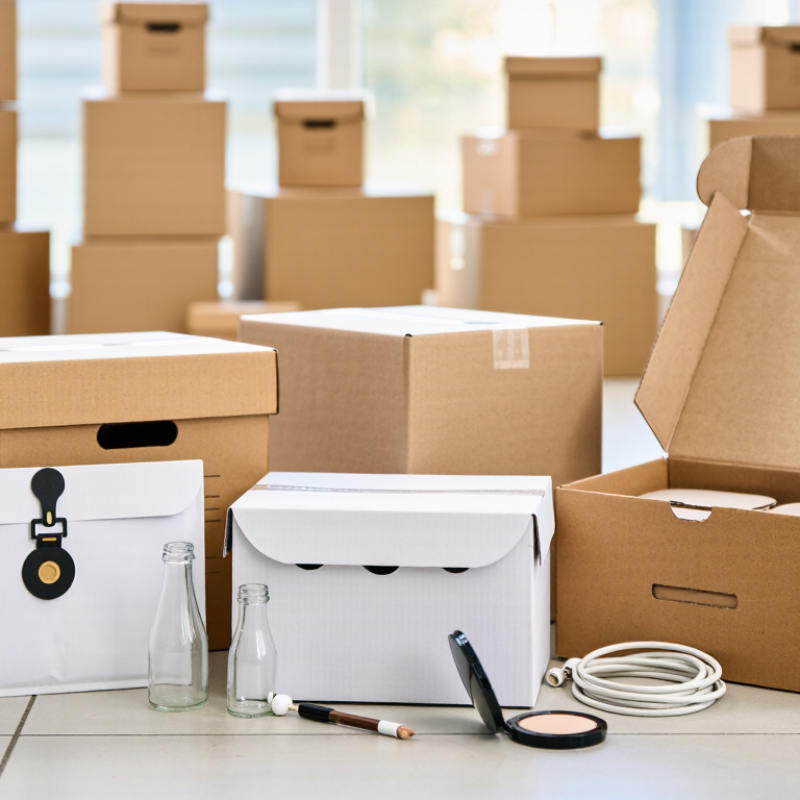
Die-cut box structures should match a product’s weight, shape, and handling needs. For lightweight cosmetics or small accessories, tuck-end cartons are compact and easy to assemble. A snug insert can stop glass bottles from knocking together during transit. For flat items, such as notebooks or fabric samples, mailer boxes offer a firm front panel and tidy presentation. Their locking flaps help keep contents in place without extra tape.
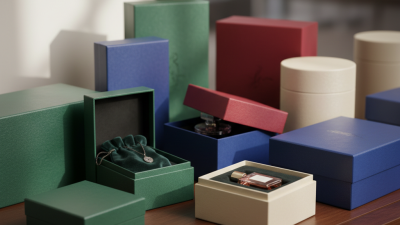
Heavier or fragile products need more support. A crash-lock base can speed packing while holding its shape under load. For delicate ceramics, add a fitted insert with cushioning around the edges; a decorative cutout alone will not protect the item. Sleeve-and-tray boxes work well for gift sets because the outer sleeve slides over a stable inner tray. Still, tight tolerances can make them frustrating to open. Test the structure with the actual product, not just a paper mock-up.
Tips: Check how the box performs after repeated opening and a short drop test. Leave room for protective material, but avoid excess empty space. Measure products at their widest points, including caps, handles, or folded corners. A small detail can change the fit. Also review assembly time with the packing team; a clever design may prove slower than expected.
2026 Top Die-Cut Box Types for Global Buyers
Which die-cut box structures suit different products? Compare typical structural fit on a qualitative 1–5 scale.
Scores are a practical comparison, not measured market data. Final box selection depends on product dimensions, weight, fragility, shipping conditions, and packing process.
How Do Materials and Printing Affect Box Performance?
For global buyers, a die-cut box performs well only when its material suits the product, shipping route, and handling conditions.
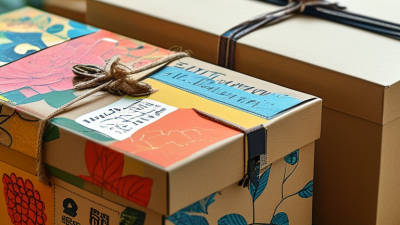
Corrugated board offers cushioning and stacking strength, while folding carton board keeps lighter retail items neat and easy to display. A sample should be tested with the actual product inside. Check how the corners hold after stacking, and whether the box closes without forcing the tabs. Small details matter.
Printing affects more than appearance.
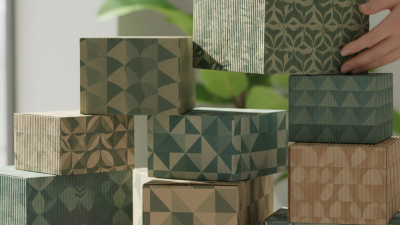
On porous or recycled board, colors may look softer than they do on a screen, and fine text can lose sharpness. Ask for a printed proof on the intended material, not just a digital mock-up. For boxes exposed to moisture or frequent handling, a suitable coating can reduce scuffing, but it may change the surface feel or recycling options. Trade-offs are real. Keep essential handling instructions readable, especially near folds and cut lines.
I once assumed a darker print would hide shipping marks; it did not, and it made small labels harder to read. That was a useful correction.
Evaluate print coverage, board thickness, and box fit together, since changing one can affect the others.
How Should Buyers Match Box Types to Product and Shipping Needs?
2026 Top Die Cut Box Types for Global Buyers?
How Should Buyers Match Box Types to Product and Shipping Needs?
Box selection should begin with the product, not the catalog. A flat mailer suits folded apparel, books, and small accessories. Its tight fit reduces void space and dimensional-weight charges. For heavier goods, choose a corrugated auto-lock box with reinforced corners. A roll-end tuck-top box adds a cleaner opening and stronger closure. Fragile items need internal partitions or molded inserts, even when the outer box looks sufficient.
Smithers’ The Future of E-Commerce Packaging to 2028 reports continued high-single-digit growth in e-commerce packaging demand. DHL’s 2024 E-Commerce Trends Report, based on more than 12,000 shoppers, also shows that delivery experience and sustainability influence buying decisions. These findings suggest a practical balance: use recyclable fiber structures, but do not sacrifice compression strength. A beautiful box that arrives crushed is still a poor package. I have seen buyers underestimate humidity during ocean transit. That mistake can soften corrugated board quickly.
Tips: Test the packed box through ISTA-style vibration, drop, and compression trials. Measure the product after protective wrapping. Leave only enough clearance for safe movement. For long-distance shipping, specify edge-crush strength, board grade, and moisture resistance. Recheck the design after changing suppliers; identical dimensions can perform differently.
What Should Global Buyers Check Before Placing an Order?
2026 Top Die Cut Box Types for Global Buyers
For 2026 orders, common die cut options include mailer boxes, tuck-end cartons, sleeve boxes, and auto-lock bottom boxes. Each style suits different products and packing speeds. Before ordering, confirm the internal dimensions, not only the outside size. A two-millimeter mistake can cause movement, crushed corners, or wasted filler. Ask for the board grade, paper weight, flute type, and compression test results. These details matter more than attractive artwork.
Tips: Request a physical sample before mass production. Check how the box folds by hand. Place the actual product inside. Inspect the locking tabs, edge strength, print alignment, and surface finish. Also confirm flat-pack dimensions, carton quantity, pallet loading, and moisture protection for international transport. A supplier should provide a clear dieline and written tolerance range. Verbal promises are not enough.
Global buyers should review production timelines, sample approval rules, payment terms, and shipping responsibilities. Confirm whether quoted prices include tooling, packing, inspection, and export documents. Ask for material declarations or relevant test reports when the product requires them. I have seen buyers approve a perfect prototype, then receive weaker boxes after a material substitution. That risk deserves direct discussion. Do not assume every “recyclable” claim means the same thing in every market. Leave room for mistakes. Recheck the final artwork, barcode readability, box count, and shipping marks before releasing production.