Top 10 Cash Register Paper Sizes for Global Buyers?
When discussing cash register paper size, it's crucial to recognize its importance in retail operations. According to industry reports from the National Retail Federation, the right paper size affects transaction efficiency and customer experience. Retailers using the correct cash register paper size can reduce printing costs by up to 30%. This can be significant, especially for small businesses where margins are tight.
Moreover, the global market for POS materials is projected to grow. A report from Grand View Research highlighted a rise in demand, driven by the expansion of retail environments worldwide. Choosing the optimal cash register paper size can help businesses adapt to these changes. However, the selection process is often overlooked. Retailers may stick to outdated sizes, ignoring the advancements in technology and material quality.
In this competitive landscape, it's vital to reflect on your cash register paper choices. Not all businesses are aware of the variety available. Some may even choose sizes that do not align with equipment capabilities. This misalignment can lead to waste and frustration. Understanding the top cash register paper sizes can empower businesses to make informed decisions, improving efficiency and reducing unnecessary costs.
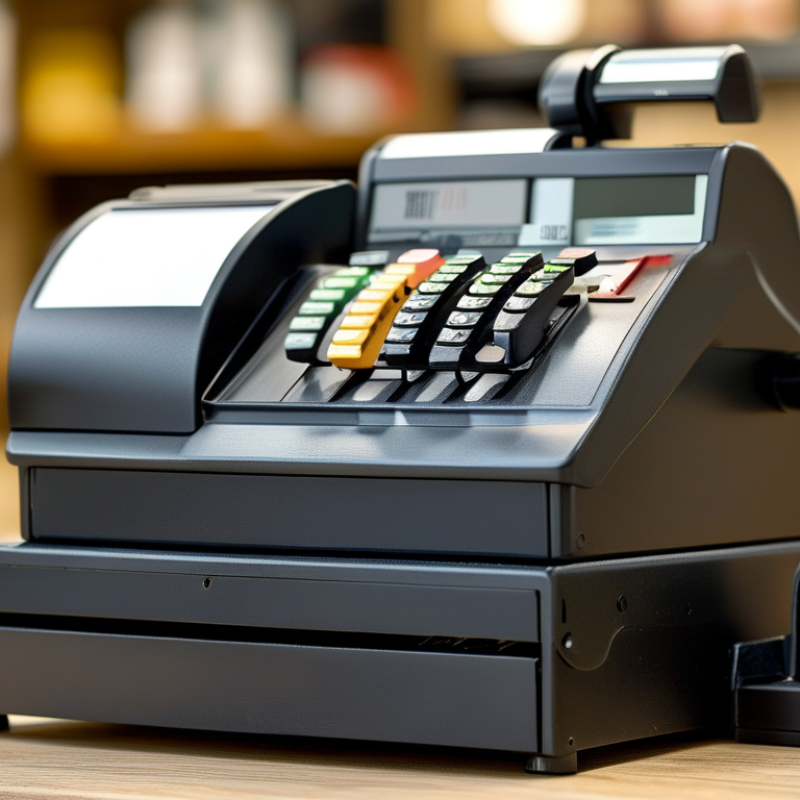
Understanding Cash Register Paper: An Overview of Sizes
Understanding cash register paper sizes is crucial for global buyers. Many businesses rely on the right paper size for efficient operations. The most common sizes include 57mm, 80mm, and 210mm rolls. Each business may have unique needs based on their equipment and customer transactions. Some shops prefer wider paper for detailed receipts. Others opt for narrower rolls to save on costs. It's important to select the right size for your point-of-sale system.
When choosing cash register paper, consider the printing technology used. Thermal printers require thermal paper, while impact printers need bond paper. Each type has different specifications and applications. Not all printers use standard sizes. Double-check your equipment before making purchases.
Having a sufficient paper supply is vital. Running out of paper can disrupt sales and frustrate customers. Reserve a stock of multiple sizes, if possible. Regularly assess your usage to avoid shortages. Example: If your business sees high foot traffic, monitor your paper consumption closely. You'll need to adapt to changing demands. Embracing these practices helps maintain smooth operations.
The Importance of Choosing the Right Paper Size for Businesses
Choosing the right cash register paper size is essential for businesses. It impacts customer transactions and overall efficiency. The ideal paper size can enhance customer experiences and streamline operations. A mismatch in paper size can lead to wasted resources and delays, highlighting the importance of thoughtful selection.
When selecting paper, consider your cash register's compatibility. Different machines may require specific sizes. Ensure the paper fits well in the printer. This prevents jams and interruptions during busy times. Testing a few paper sizes before making a bulk purchase can save time and money.
Understand your business's unique needs. A restaurant may require larger rolls for detailed receipts, while a retail store might benefit from smaller sizes. Assessing customer feedback can provide insights. Sometimes, ideas that seem efficient may not meet real-world needs. Keep an open mind and be willing to adapt based on what works best for your business.
Top Cash Register Paper Sizes Used in North America
In North America, cash register paper sizes play a crucial role in daily transactions. The most common size is 2 1/4 inches wide, widely used in retail settings. According to data from the National Retail Federation, over 60% of retailers in the U.S. rely on this paper size for their point-of-sale systems. This versatility allows for printing receipts and transaction records efficiently.
Another popular size is 3 inches wide, often utilized in restaurants and cafes. This larger format can accommodate menu items and promotional messages. However, it is essential to note that the availability of these sizes varies by region. A report from the Paper and Paperboard Packaging Environmental Council highlights that approximately 70% of businesses prefer standardized sizes to streamline their supply processes. This preference demonstrates the need for adaptability in cash register paper sourcing.
Interestingly, many vendors struggle with inconsistent supply chains, causing delays. The challenge of maintaining stock can disrupt operations. North American companies must also consider eco-friendly options, as sustainable materials gain traction. A 2021 report indicated that 40% of consumers would favor businesses using recycled paper. Thus, suppliers are encouraged to reflect on their practices to meet evolving consumer expectations.
Top 10 Cash Register Paper Sizes for Global Buyers
| Rank | Paper Size (Width x Diameter) | Common Uses | Region Popularity |
| 1 | 80mm x 80mm | Retail, Food Service | North America, Europe |
| 2 | 57mm x 40mm | Small Transactions, Mobile POS | Asia, Europe |
| 3 | 80mm x 120mm | Restaurant Receipts | North America |
| 4 | 44mm x 30mm | POS Systems | Asia |
| 5 | 76mm x 76mm | Transport Tickets | Europe |
| 6 | 50mm x 50mm | Compact POS Systems | Asia, North America |
| 7 | 58mm x 30mm | Mobile Payments | Global |
| 8 | 70mm x 70mm | Store Refunds | North America |
| 9 | 90mm x 70mm | High Volume Retail | North America, Europe |
| 10 | 45mm x 45mm | Portable Printers | Global |
Popular Cash Register Paper Sizes in Europe and Asia
Cash register paper sizes vary significantly across Europe and Asia. Understanding these differences helps businesses in selecting the right paper. Common thermal paper sizes include 80mm and 57mm rolls. These sizes suit most POS systems widely used in retail environments. Approximately 60% of European retailers favor the 80mm size for its flexibility in printing receipts.
In Asia, particularly Japan and China, standard sizes also reflect local preferences. The 58mm roll is prevalent in small businesses. This size is compact and efficient, especially for high-volume transactions. Reports indicate that over 55% of Japanese convenience stores utilize this size to streamline their operations. While these sizes seem standard, variables such as paper quality and printer compatibility can lead to inconsistencies.
While most businesses rely on these common sizes, a one-size-fits-all approach may not work. Environments with varying customer needs might require customized sizes. As with any industry, standardization has its drawbacks. Failing to adapt can result in wasted resources and lost sales opportunities. By reflecting on their specific requirements, businesses can achieve a more efficient operation.
Top 10 Cash Register Paper Sizes for Global Buyers
Factors to Consider When Selecting Cash Register Paper Sizes
When selecting cash register paper sizes, several factors come into play. It is essential to consider the width and length of the paper rolls that align with your cash register or point of sale (POS) system. For instance, the most common widths range from 57mm to 80mm. According to industry studies, 80mm rolls account for over 60% of cash register usage globally. This makes it a preferred choice for many retailers.
The thickness of the paper is also crucial. Standard thermal paper used in cash registers typically ranges from 50 to 80 GSM (grams per square meter). Thicker papers might offer better durability but can be less cost-effective. Additionally, ensuring that the paper is compatible with thermal printers can prevent issues like paper jams or print quality problems. Research indicates that businesses face a 10% lower efficiency rate when using incompatible paper types.
Another key consideration is the intended use. Some retailers use cash register paper for receipts, while others need it for tickets. The length of the roll can vary significantly, from 25 meters to over 100 meters. Longer rolls may reduce the frequency of replacements, but they can be bulkier and more difficult to manage. Retailers must weigh these benefits against storage space and convenience to find the right balance.


