What Are 2026 Top Eye Shadow Palette Types for Buyers?

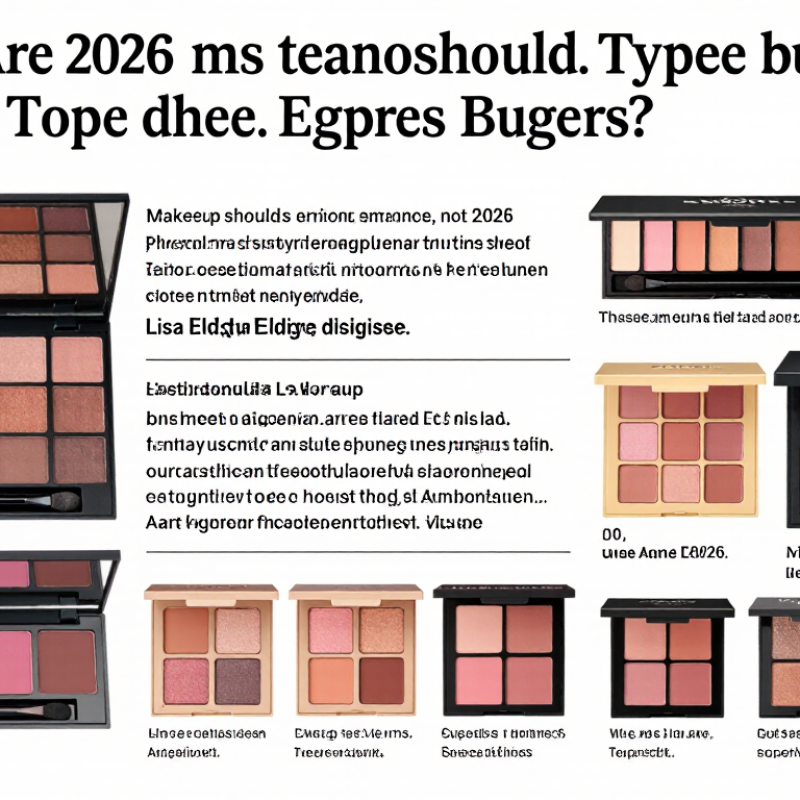
What Are 2026 Top Eye Shadow Palette Types for Buyers? The answer is becoming more practical, personal, and performance-focused. Buyers are no longer choosing palettes only for dramatic color stories. They are examining texture, wear time, shade flexibility, packaging, and ingredient transparency. A useful Eye Shadow Palette should work under office lighting, evening photography, and changing weather. That sounds obvious. It is not always true.

Professional makeup artist Lisa Eldridge has said, “Makeup should enhance, not disguise.” Her principle remains valuable for evaluating 2026 palette trends. Buyers may increasingly compare soft-matte essentials, cream-to-powder formulas, refillable compacts, and curated monochromatic palettes. These formats can reduce unused shades and simplify everyday application. A warm-neutral palette may suit daily makeup, while jewel tones can support editorial or festive looks. However, color forecasts should not become purchasing rules. Personal undertone, eyelid texture, sensitivity, and skill level still matter more than trend reports.

This outline examines the leading Eye Shadow Palette types expected to attract buyers in 2026. It considers blendability, pigmentation control, fallout, portability, and shade usefulness. It also reviews sustainable packaging and multi-finish layouts, including matte, satin, shimmer, and metallic pans. Some “universal” palettes may still exclude deeper skin tones or perform unevenly across oily eyelids. That limitation deserves honest attention. Testing swatches in natural daylight can reveal problems that studio images hide. Buyers should also check ingredient information and brand testing claims through credible sources. The strongest palette is not necessarily the largest one. It is the one that earns regular space in a real makeup bag.

What Are 2026 Top Eye Shadow Palette Types for Buyers?

How 2026 Eye Shadow Palettes Are Classified by Format and Function

What Are 2026 Top Eye Shadow Palette Types for Buyers?

In 2026, buyers will classify eye shadow palettes by format and function, not color count alone. Compact palettes suit commuters and short trips. They usually contain four to nine coordinated shades. Large palettes serve artists, salons, and users who need more creative range.

Single-shadow pots remain practical for fast application. Stick and cream formats offer stronger portability, but they may crease on oily eyelids.

Function creates a clearer buying guide. Everyday palettes focus on matte neutrals and soft transition shades. Professional palettes add high-pigment colors, reflective finishes, and deeper contour tones. Sensitive-eye users may prefer simpler formulas and clear ingredient information.

Grand View Research estimated the global eyeshadow market at about US$3.3 billion in 2023. Its report also forecasts steady growth through 2030, supported by online beauty shopping and product innovation. Still, market growth does not guarantee better performance. Some palettes offer many shades but little usable balance.

Tips: Check the shade layout before buying. Look for at least two transition colors, one deepening shade, and one light accent. Test texture on clean skin. Powder should blend without excessive fallout. Cream should spread evenly, not drag.

Packaging also matters. A weak hinge can damage travel value. This classification is useful, but imperfect. Personal skin tone, eyelid oil, and application skill still change the result. Buyer reviews should be compared with professional testing, not accepted blindly.

Powder, Cream, and Liquid Types: Circana’s 2024 Makeup Sales Data

What Are 2026 Top Eye Shadow Palette Types for Buyers?

Circana’s 2024 makeup sales data offers a useful signal for 2026 eye shadow buyers. It shows why format remains important when shoppers compare palettes. Powder palettes still provide broad usability. Their pressed shades blend easily, layer cleanly, and suit both quick routines and detailed looks. A reliable powder palette should resist heavy fallout and include practical matte shades. Buyers should inspect the texture, not only the color story.

Cream palettes create a softer, more tactile experience. They can produce rich color with one fingertip and often feel comfortable on dry eyelids. However, creams may crease faster in humid conditions. Check the closure and surface before purchase.

Liquid shadows deliver strong impact and precise placement. They work well for glossy accents, thin lines, or fast application. Yet, drying time can vary. That small detail affects daily convenience.

Circana’s data should guide decisions, not replace product testing. Sales figures reflect consumer behavior, while wear tests reveal comfort, blending, and storage performance. I would compare texture consistency across several shades. One attractive color cannot prove palette quality. The 2026 market may favor mixed-format palettes, but that prediction remains imperfect. Buyers need realistic choices. A compact powder set may suit frequent travelers, while cream or liquid formats may appeal to users seeking stronger visual effects. Look closely. The best type depends on skin condition, climate, skill level, and application time.

Matte, Shimmer, and Metallic Finishes: Mintel’s 2025 Consumer Findings

What Are 2026 Top Eye Shadow Palette Types for Buyers?

Mintel’s 2025 consumer findings highlight a practical shift toward finish variety in eye shadow palettes. Buyers increasingly want matte, shimmer, and metallic shades together. They expect one compact palette to support workdays, evenings, and special occasions.

Matte Shadows

Matte shadows remain essential for crease definition and soft daytime looks. A smooth beige, muted brown, or deep charcoal can create structure without obvious sparkle.

Shimmer Shades

Shimmer shades add light to the center lid and inner corner. Their fine texture matters. Coarse particles may feel uncomfortable and can fall onto the cheeks during application.

Metallic Finishes

Metallic finishes attract buyers seeking stronger visual impact. Copper, silver, bronze, and plum tones can reflect light under indoor or evening conditions. However, metallic pigment needs careful testing. Some formulas look impressive in a pan but appear uneven on skin. That gap deserves more attention.

A useful 2026 palette may combine eight to twelve balanced shades.

It should offer different depths, not only different finishes. Buyers should check blendability, fallout, ingredient transparency, and packaging strength. A small mirror and secure closure also improve daily use.

Trends can mislead.

From practical testing, shimmer often receives praise first. Matte quality determines whether the palette remains useful. I may still underestimate personal color preferences, especially across changing beauty routines. For reliable purchasing, consumers should compare swatches, lighting conditions, and independent user feedback before choosing a finish mix.

Palette Sizes and Price Tiers: Statista’s 2025 Beauty E-Commerce Data

What Are 2026 Top Eye Shadow Palette Types for Buyers?

Palette Sizes and Price Tiers: Statista’s 2025 Beauty E-Commerce Data

Statista’s 2025 Beauty E-Commerce data shows continued digital demand for accessible beauty products. However, its market totals do not isolate every eye shadow format. Buyers should avoid treating broad e-commerce growth as proof that one palette size will dominate.

Small palettes may suit shoppers seeking portability and lower entry prices. Four- to six-shade formats fit handbags, travel cases, and quick routines. Mid-sized palettes, usually containing eight to twelve shades, offer stronger color variety without excessive product waste. Large palettes provide more creative options, but unused shades can weaken perceived value.

Price matters at every size. Entry tiers attract trial purchases and gift buyers. Mid-tier palettes often balance shade range, packaging quality, and repeat value. Premium tiers must justify higher prices through refined textures, durable cases, clear shade labeling, or professional performance. Circana’s 2025 beauty reporting continues to emphasize the importance of prestige and mass-market segmentation, although eye shadow results can vary by channel.

This distinction is easy to miss. Online reviews may favor large palettes because they look impressive on screen. Actual buyers may prefer compact formats for daily use. My view may overvalue convenience, too. Regional income, climate, makeup habits, and shipping costs can change the best choice. For 2026, sellers should test several sizes and price points instead of assuming one universal winner.

What Are 2026 Top Eye Shadow Palette Types for Buyers? — Palette Sizes and Price Tiers: Statista’s 2025 Beauty E-Commerce Data
Buyer-oriented comparison of common eyeshadow palette formats, shade counts, compact sizes, and 2025 U.S. online retail price bands used to support 2026 assortment planning.
Palette Type Typical Shade Count Typical Physical Format 2025 Online Retail Price Band (USD) Price Tier Primary Buyer Need 2026 Buyer Relevance Commercial Characteristics
Mini / Travel Palette 4–8 shades Small compact; usually under 100 g $8–$20 Entry Portability, trial purchases, quick everyday makeup High Low purchase risk, strong suitability for impulse buying, gifting, and travel-focused searches.
Everyday Neutral Palette 9–16 shades Medium compact; often mirror-equipped $18–$45 Mass to Mid Daily office, school, and soft-glam looks Very High Broadest use case, moderate shade variety, and strong balance between price and usability.
Color-Focused Palette 9–18 shades Medium compact with coordinated color families $20–$50 Mass to Mid Creative looks, seasonal makeup, and trend experimentation High Benefits from vivid color stories, seasonal launches, and visual merchandising in e-commerce.
Multi-Finish Palette 12–20 shades Medium to large compact with matte, shimmer, and metallic pans $28–$65 Mid One palette for daytime, evening, and occasion makeup Very High Higher perceived value because one item combines multiple textures and application styles.
Large Variety Palette 18–40 shades Large compact; commonly over 150 g $35–$80 Mid to Premium High variety, collection building, and frequent makeup users Medium-High Strong shade-per-dollar appeal, although larger formats may have higher unused-shade risk.
Professional / Artist Palette 40+ shades Large or modular case; refillable formats may be available $60–$120+ Premium Makeup artists, content creators, and advanced users Medium Higher order value and strong performance expectations; practical packaging is especially important.
Refillable / Modular Palette 4–24 configurable shades Magnetic or interchangeable compact $25–$90, excluding repeat pan purchases Mid to Premium Customization, reduced packaging, and long-term use High Supports repeat purchases through individual pans and appeals to buyers seeking flexible collections.
Cream or Stick Palette Set 3–8 cream shades or sticks Compact set or individual-format bundle $15–$55 Entry to Mid Fast application, blendability, and multi-use makeup High Matches demand for convenient routines and can serve as eyeshadow, liner, or cheek color.
Data note: Price bands are rounded U.S. online retail benchmarks for 2025 and are presented as category-level ranges rather than company or brand figures. Statista’s beauty e-commerce data is used as market context; the palette size and price segmentation above is an analytical buyer framework for 2026 planning, not a reported market-share ranking.

Buyer Selection by Use Case: Euromonitor’s 2026 Cosmetics Market Forecast

What Are 2026 Top Eye Shadow Palette Types for Buyers?

Euromonitor’s 2026 cosmetics market forecast highlights use-case purchasing rather than one universal palette trend. Buyers should match palette design with daily routines, application skills, and spending limits. For office wear, compact neutral palettes remain practical. Soft beige, brown, and muted rose shades work across changing seasons. A sturdy mirror and clear shade labels also reduce morning delays.

Travel buyers need slim palettes with secure pans and balanced color selection. Four to eight shades may offer better portability than large collections.

For professional artists, high-pigment palettes with buildable textures support varied skin tones and layered looks. Matte, satin, and shimmer finishes should blend without excessive fallout. This detail matters during long shoots, where repeated touch-ups waste time.

Young consumers may favor expressive color stories, including blue, green, and metallic finishes. However, color alone does not prove value. Buyers should check ingredient information, batch details, texture consistency, and removal performance. Sensitive-eye users may prefer fragrance-free formulas and simpler ingredient lists, subject to personal tolerance.

Euromonitor’s forecast is useful for market direction, but it cannot predict every regional preference. My own buying mistake was choosing shade variety over pan quality. The palette looked impressive, yet two colors became dusty after several uses. Practical testing still beats attractive packaging.

Get Free Instant Quote

    Questions? We can help.
    Contact a Packaging Specialist for product & pricing information.