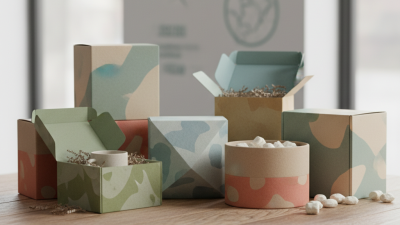
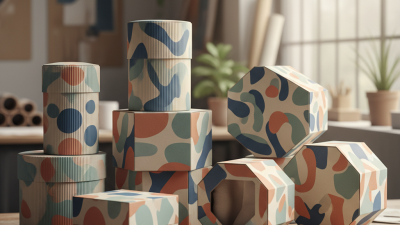
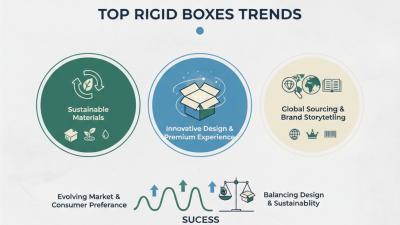
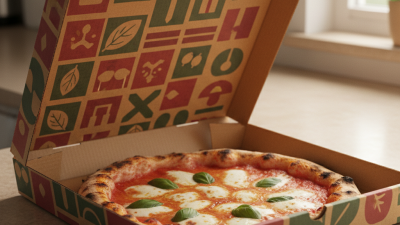
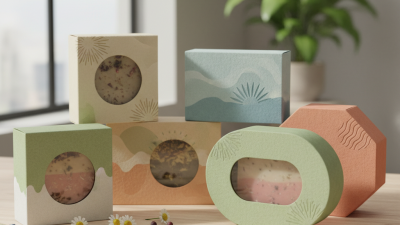
A curated selection of packaging products that fly off our shelves. Our customers love these bestsellers for their practicality and visual appeal, ensuring your products stand out and attract more buyers.
Choosing the right small packaging boxes involves more than selecting a convenient size. The box must protect the product, support efficient handling, and reflect your brand’s quality. A rigid box may suit delicate jewelry, while a lightweight mailer can serve small accessories. The best choice depends on product weight, dimensions, shipping conditions, and customer expectations.
Measure carefully. Even a few millimeters can create movement, wasted material, or frustrating unboxing experiences. Consider board strength, closure style, internal inserts, and moisture exposure. Practical testing helps. Place the product inside, shake the box gently, and inspect damaged corners after delivery trials. Real experience often reveals problems that product catalogs overlook.
Reliable suppliers should provide clear specifications, material information, and sample boxes before bulk production. Packaging professionals may also recommend compression tests or drop tests for products traveling through busy delivery networks. Sustainability deserves attention, but it should not weaken essential protection. Recyclable materials are valuable only when they perform properly and fit local recycling systems.
Some choices remain imperfect. A premium finish can increase cost, while thinner materials may reduce protection. More packaging is not always safer. Less is not always better. These ten tips will help compare practical trade-offs, avoid common sizing mistakes, and choose small packaging boxes with greater confidence. The goal is simple: secure the product, control costs, and create a dependable customer experience.
Define the Product’s Size, Shape, and Protection Requirements
Tip 1: Measure the product before choosing the box. Record length, width, height, weight, and fragile points. Include handles, lids, corners, or irregular curves. A box that looks compact may crush a protruding part. Leave only enough space for cushioning, not empty volume. The U.S. Environmental Protection Agency reported 82.2 million tons of containers and packaging waste in 2018. Oversized packaging adds material and transport inefficiency. Smaller is not always better, though.
Tip 2: Match the box structure to the product’s risks. A ceramic item needs impact absorption. A textile product may need moisture resistance instead. Test the packed item with realistic drops, vibration, and stacking pressure. ISTA testing procedures can help create repeatable checks. In practice, many teams test the box alone. That is a weakness. The product and packaging must be tested together. Measure the internal fit after cushioning is placed, not before.
Tip 3: Use a simple size formula: product dimensions plus protection thickness plus closing clearance. Keep fragile items away from every wall. For heavy products, choose stronger board and shorter spans. The Fibre Box Association notes that box performance depends on board strength, moisture, and handling conditions. Record failures with photographs and compression results. Small changes can matter. A slightly tighter fit may reduce movement, but excessive pressure can damage the product. Review the design after every trial shipment, because laboratory success does not guarantee perfect delivery performance.
Use the product’s measured length, width, and height to select a box that fits securely without excessive empty space. Add clearance for protective material and allow for the product’s shape and fragility.
The dimensions shown are practical examples for common small-product profiles. Actual packaging dimensions should be confirmed by measuring the product and adding suitable protection clearance.
Choose materials according to the product’s weight, shape, and handling conditions. Corrugated cardboard suits many small shipments because its fluting absorbs pressure. Kraft paperboard works well for lightweight retail items. For fragile products, add an inner insert, not just thicker walls.
A snug fit matters.
Structural strength also depends on design. A well-locked carton can outperform a thicker but poorly folded box.
I once selected a strong board but ignored the weak bottom seam. The box failed during a simple drop test. That mistake was useful.
Do not rely on appearance alone. Small boxes still face vibration, compression, and moisture. A basic trial helps reveal problems early. I would also retest after changing the paper thickness, insert, or closure. Packaging decisions are rarely perfect on the first attempt.
Choosing small packaging boxes requires more than measuring the product. Box style affects protection, presentation, storage, and packing speed. A tuck-end box suits lightweight items and opens easily at a counter. A mailer box offers stronger side walls and better resistance during delivery. Rigid boxes create a premium feel, but they require more storage space and usually cost more.
Closures deserve careful comparison. Tuck flaps are simple and economical, while locking tabs provide a firmer hold without extra materials. Adhesive seals can improve security, but they may slow packing and frustrate customers. Magnetic closures look refined, yet they add weight and expense. I once selected a tight flap to reduce movement, but it made opening awkward. The design looked efficient on paper.
INTERIOR FIT often decides whether a box feels reliable. Measure the product, then allow space for cushioning, movement, and easy removal. Too much empty space wastes material and lets the item shift. Too little space can crush corners or damage delicate surfaces. Paper inserts, molded pulp, and folded supports each create different protection levels. Test the packed box from several angles. Drop testing is useful, but it does not reveal every problem. A product may survive impact and still arrive scratched by internal friction. Check closure strength after repeated opening, too. Small details matter.
10 Tips for Choosing Small Packaging Boxes
Evaluate branding before choosing dimensions. A small box is often the customer’s first physical contact with your business. Tip 1: Match its color to your visual identity. Tip 2: Keep the logo readable at thumbnail size. Tip 3: Leave clear space around key graphics. Smithers valued the global packaging market at more than one trillion dollars in 2023, showing how crowded packaging communication has become. Your box needs recognition, not visual noise.
Printing quality affects perceived value. Tip 4: Request physical proofs before production. Tip 5: Compare digital, flexographic, and offset printing. Tip 6: Check color accuracy under store lighting. Tip 7: Use matte finishes for a quiet, premium feel. Gloss can highlight fingerprints. I once approved artwork from a screen only; the printed blue looked noticeably darker. That mistake was avoidable. It also changed my view of “final” files.
Customization should support function. Tip 8: Test inserts with the actual product. Tip 9: Confirm the box survives stacking and delivery handling. Tip 10: Ask for recyclable materials and clear disposal guidance. McKinsey’s consumer research found that 60–70% of respondents were willing to pay more for sustainable packaging. However, customization can increase waste when every product receives a different box. Start with two or three adaptable sizes, then review damage rates, print consistency, and customer feedback before expanding.
| No. | Evaluation Area | What to Check | Recommended Practice | Useful Specification or Benchmark | Why It Matters |
|---|---|---|---|---|---|
| 1 | Product Fit | Measure the product, including protective inserts, accessories, and required clearance. | Choose a box that holds the item securely without excessive empty space. | Allow practical clearance for inserts and closing; avoid forcing the product into the box. | Correct sizing reduces movement, material waste, and the risk of damage during handling. |
| 2 | Box Structure | Compare folding cartons, rigid boxes, mailer boxes, and corrugated shipping boxes. | Match the construction to the product weight, fragility, stacking, and delivery method. | Use stronger corrugated construction for parcel shipping or heavier products; use folding cartons for lightweight retail presentation. | The right structure balances protection, appearance, storage space, and cost. |
| 3 | Material Selection | Review board thickness, flute profile, recycled content, surface finish, and coating. | Select the lightest material that provides adequate strength and print performance. | Paperboard is commonly used for retail cartons; corrugated board is better suited to impact and shipping protection. | Material choice affects durability, print quality, recyclability, and total package weight. |
| 4 | Branding Space | Identify visible panels, logo placement, product information areas, and unprinted surfaces. | Prioritize the top panel and main front panel for the most important visual message. | Keep essential branding away from fold lines, glue flaps, locking tabs, and areas likely to be covered by labels. | Clear visual hierarchy improves recognition and helps customers understand the product quickly. |
| 5 | Printing Method | Compare digital, offset, flexographic, and direct-to-board printing according to order size and artwork. | Use digital printing for short runs or variable designs; consider offset or flexographic printing for larger, repeat orders. | Confirm minimum order quantity, color capability, proofing process, setup charges, and repeat-order consistency. | Printing technology influences color accuracy, unit cost, lead time, and design flexibility. |
| 6 | Color Accuracy | Check whether the supplier supports standardized color references, proofs, and approved samples. | Request a physical proof when color, gradients, skin tones, or small text are important. | Review print colors under consistent lighting and approve a final reference sample before production. | Paper color, coating, ink absorption, and lighting can change the appearance of printed artwork. |
| 7 | Customization Options | Review custom dimensions, die-cut windows, inserts, handles, closures, dividers, and tear strips. | Customize features only when they improve protection, usability, shelf impact, or product presentation. | Confirm dieline dimensions, material compatibility, tooling requirements, and prototype approval before production. | Useful customization can improve the customer experience, while unnecessary features increase cost and complexity. |
| 8 | Finishing Details | Evaluate matte or gloss coating, aqueous coating, varnish, embossing, debossing, and foil effects. | Use finishes selectively on high-visibility areas rather than covering every surface. | Verify whether the finish affects recyclability, barcode scanning, handwriting, adhesion, or color appearance. | Finishing can increase perceived quality but may add processing steps, cost, and material considerations. |
| 9 | Sustainability | Check fiber sourcing, recycled content, coatings, plastic components, and ease of material separation. | Prefer packaging with fewer mixed materials and avoid unnecessary plastic windows or laminated layers. | Ask for material specifications and confirm local recycling guidance instead of relying only on general environmental claims. | Simple, clearly identified materials are generally easier for consumers and recycling systems to handle. |
| 10 | Testing and Total Cost | Evaluate prototypes, assembly time, shipping performance, storage efficiency, minimum order quantity, and tooling. | Test the filled box through realistic handling, stacking, vibration, and drop conditions before placing a large order. | Calculate total cost per usable package, including box, printing, finishing, inserts, tooling, freight, storage, and waste. | A low unit price may not be economical if the package is slow to assemble, difficult to ship, or prone to damage. |
Small boxes can lower material use, but only when their dimensions fit the product closely. Measure the item, protective padding, and closing space together. A box that is two centimeters too large may require extra paper fill and raise shipping costs. Compare unit price, storage space, damage rates, and delivery fees before selecting the cheapest option. In my experience, the lowest quotation often hides higher void-fill or replacement costs. That lesson is easy to overlook.
Sustainability needs evidence, not attractive wording. The OECD’s Global Plastics Outlook reports that only 9% of global plastic waste was recycled in 2019. Ask suppliers about recycled content, fiber sourcing, coatings, and local recycling conditions. The Forest Stewardship Council notes that responsible forest management supports traceable certified materials, but certification alone does not prove every environmental claim. Check the actual specification sheet. “Eco-friendly” is too vague.
Supplier reliability deserves the same attention as box quality. Request samples from different production batches, then test compression, moisture exposure, folding accuracy, and print consistency. The 2023 Supply Chain Resilience Report by the Business Continuity Institute highlights continuing disruption from transport delays and material shortages. Ask about lead times, backup production, minimum order quantities, and quality-control records. Keep written tolerances. Small suppliers can be highly responsive, but capacity may change quickly. I would still test a second source before scaling, because one successful shipment proves very little.