What is a Rigid Box and Why Should You Consider Using One for Packaging
Rigid boxes have emerged as a sophisticated solution in the packaging industry, offering both durability and aesthetic appeal. Renowned packaging expert, Susan Melton, emphasizes the significance of choosing the right packaging by stating, “The structural integrity and visual impact of rigid boxes enhance the unboxing experience, making them an ideal choice for high-end products.” With the rise of e-commerce and a growing demand for premium packaging, brands are increasingly turning to rigid boxes to create lasting impressions on consumers.
These boxes are crafted from thick paperboard, which not only provides superior protection but also allows for intricate designs that enhance branding efforts. As consumers become more discerning about packaging quality, rigid boxes offer an elegant presentation that can elevate even the simplest products. By utilizing these robust structures, businesses can ensure their items are displayed attractively while safeguarding them during transportation.
In addition to being visually striking, rigid boxes contribute to a sustainable packaging approach due to their recyclability and durability. This combination of aesthetics, protection, and eco-friendliness makes rigid boxes an appealing option for businesses seeking to stand out in a crowded market. As the packaging landscape continues to evolve, embracing rigid boxes might just be the strategic move that sets a brand apart from its competitors.
Definition and Characteristics of Rigid Boxes
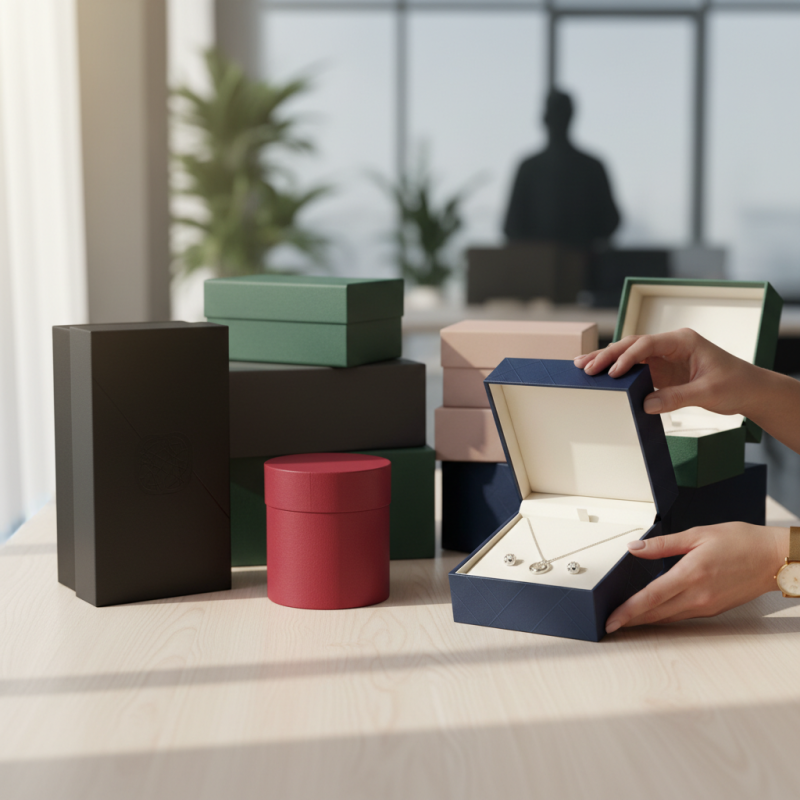
Rigid boxes, often referred to as hardcover boxes or set-up boxes, are a type of packaging made from a heavy-weight cardboard that is typically not collapsible. Unlike their flexible counterparts, rigid boxes maintain their shape and structure, providing a sturdy and elegant option for protecting various products. The construction of these boxes involves a multi-layered design, which not only contributes to their durability but also allows for a luxurious presentation that can enhance the unboxing experience for consumers.
One of the defining characteristics of rigid boxes is their versatility in size and customization. They can be designed in various shapes, sizes, and colors, tailored specifically to meet the branding needs of different products. Additionally, rigid boxes often feature intricate structural designs like magnetic closures or foam inserts, which add an element of sophistication and functionality. Their superior protective qualities make them ideal for packaging delicate items such as electronics, jewelry, and luxury goods, ensuring that they arrive at their destination in pristine condition.
Rigid Box Characteristics Comparison
Benefits of Using Rigid Boxes for Packaging
Rigid boxes have gained popularity in the packaging industry due to their numerous advantages, especially when it comes to luxury products. According to a recent market report by Smithers Pira, the global rigid box market is projected to reach $16.4 billion by 2026, growing at a CAGR of 4.2%. This growth is largely driven by consumer demand for sustainable and high-quality packaging solutions, which rigid boxes provide. They are known for their durability and ability to protect products effectively, ensuring that items remain intact during transit and storage.
One significant benefit of using rigid boxes is their ability to enhance brand perception. A study by Packaging Strategies found that 62% of consumers consider packaging to be an important factor when deciding to purchase a product. Rigid boxes not only convey a sense of luxury and quality but also provide ample space for branding opportunities. Their rigid structure can easily accommodate intricate designs, vibrant colors, and high-quality graphics, setting products apart on the shelves and making a lasting impression on consumers. Furthermore, the reuse potential of these boxes contributes to sustainability, as more consumers are inclined to repurpose them rather than discard them, aligning with the shifting focus towards eco-friendly practices in packaging.
Comparative Analysis: Rigid Boxes vs. Other Packaging Types
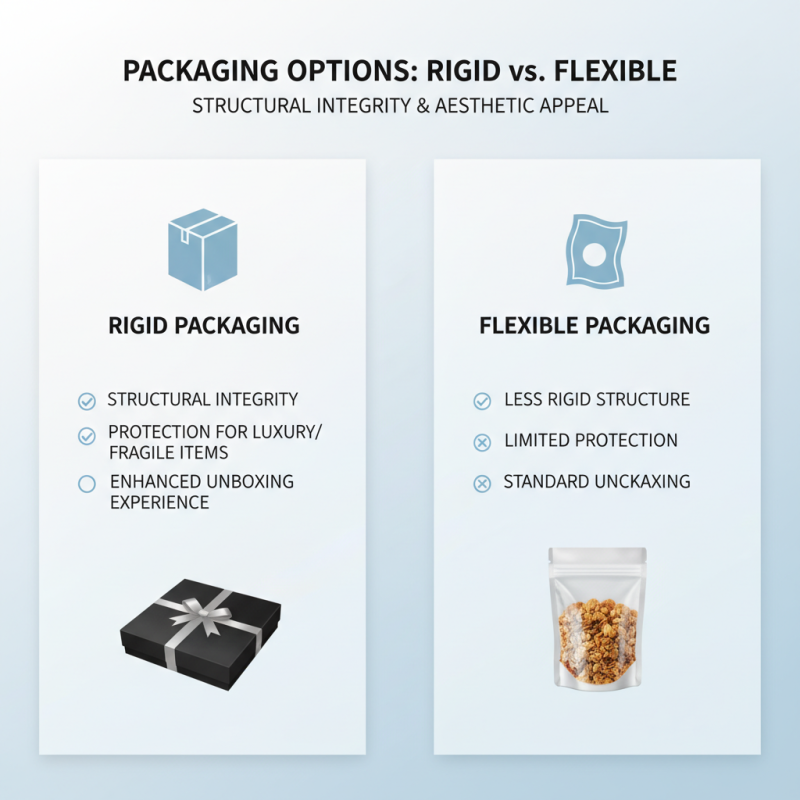
When exploring packaging options, rigid boxes stand out for their structural integrity and aesthetic appeal. Unlike flexible packaging types, such as bags or pouches, rigid boxes offer a robust frame that protects the contents inside, making them ideal for luxury items and fragile products. The material used in rigid boxes is generally thicker and can withstand more stress, ensuring that the contents remain safe during transportation and handling. Additionally, the high-quality finish of rigid boxes enhances the unboxing experience, adding a touch of elegance that flexible packaging simply cannot match.
In contrast, while flexible packaging options are often more lightweight and cost-effective, they lack the durability and premium appearance of rigid boxes. Flexible materials can sometimes lead to a perceived decrease in value, particularly for high-end products. Moreover, rigid boxes provide better branding opportunities through customization options, including embossing, printing, and unique shapes. These features help brands convey their identity and maintain customer loyalty. Ultimately, when considering packaging solutions, the decision between rigid boxes and flexible types hinges on the product's nature, the targeted customer experience, and the brand's overall message.
Applications of Rigid Boxes in Various Industries
Rigid boxes are gaining traction across various industries due to their robust structure and aesthetic appeal. The luxury goods market, for instance, has seen a significant rise in the use of rigid boxes, with a report by Smithers Pira projecting the global luxury packaging market to reach $62.5 billion by 2024. This growth is driven by brands seeking to enhance the unboxing experience, with rigid boxes providing a superior presentation compared to traditional packaging. High-end cosmetics, jewelry, and stationery are prime examples where rigid boxes not only protect the product but also add perceived value.
Moreover, the electronics sector also leverages rigid boxes for packaging. According to a report from MarketsandMarkets, the global electronics packaging market is projected to grow from $28.5 billion in 2021 to $41.4 billion by 2026, with rigid boxes being an integral part of this shift. These boxes offer protection against physical damage during transit, while their customizable designs allow for creative branding opportunities that appeal to tech-savvy consumers. Industries that prioritize brand image and product safety can especially benefit from adopting rigid box packaging as a standard practice.
What is a Rigid Box and Why Should You Consider Using One for Packaging - Applications of Rigid Boxes in Various Industries
| Industry |
Application |
Benefits of Rigid Boxes |
| Cosmetics |
Packaging for skincare and makeup products |
Premium look, durability, and protection |
| Food & Beverage |
Luxury packaging for chocolates and wines |
Enhanced presentation, freshness, and safety |
| Electronics |
Packaging for high-end gadgets and accessories |
Protection from damage, tamper-proof design |
| Retail |
Gift boxes and promotional packaging |
Attractive and memorable unboxing experience |
| Pharmaceuticals |
Packaging for medicines and health products |
Safety, compliance with regulations, and brand integrity |
Factors to Consider When Choosing Rigid Boxes for Your Products
When considering rigid boxes for your packaging needs, several key factors should guide your selection process. First and foremost is the material quality; rigid boxes are typically made from high-density paperboard, which provides superior strength and protection for the contents. A recent report by Smithers Pira indicates that the global market for rigid packaging is expected to reach $29.2 billion by 2024, highlighting the growing preference for durable packaging solutions that not only safeguard products but also enhance brand perception.
Another crucial factor is the design and functionality of the box. Customization options, such as printing techniques and finishes, can significantly impact consumer appeal. According to the Paper and Packaging Board, 72% of consumers believe that packaging design influences their purchasing decision. Therefore, businesses should consider both aesthetics and practicality when selecting rigid boxes, ensuring they meet the specific needs of their products while also engaging the target market effectively. Additionally, sustainability is becoming a priority; opting for eco-friendly materials can resonate with environmentally conscious consumers and improve overall brand image.