How to Choose the Best Food Sealer Machine?
Choosing the right Food Sealer Machine is not simply a matter of selecting the strongest motor or the lowest price. The best choice depends on your food type, packaging material, production volume, and available workspace. A home user sealing sliced vegetables needs different equipment from a small café protecting cooked meals. Vacuum strength matters, but sealing consistency matters more.
Gordon L. Robertson, a respected food-packaging researcher, has stated, “Packaging is an integral part of the food system.” His view explains why a sealer should be evaluated as part of food handling, not as an isolated appliance. A reliable machine should create even seals, remove air appropriately, and avoid excessive heat that damages delicate products. Check the sealing width, bag compatibility, cycle speed, pump capacity, and cleaning process. Stainless-steel surfaces help in busy kitchens. Removable drip trays help with messy foods.
Small details reveal real performance. Watch the seal line after cooling. It should look smooth, continuous, and firmly bonded. Test oily meat, dry grains, and moist vegetables separately. One setting may not suit all three. No machine is perfect. Even experienced users can overfill a bag or trap liquid near the seal. That is why adjustable vacuum controls, clear instructions, and responsive technical support deserve serious attention. This guide compares key machine types and practical buying factors, helping you choose equipment that fits your routine rather than merely looking impressive on a product page. Reliability grows through testing, maintenance, and honest expectations.
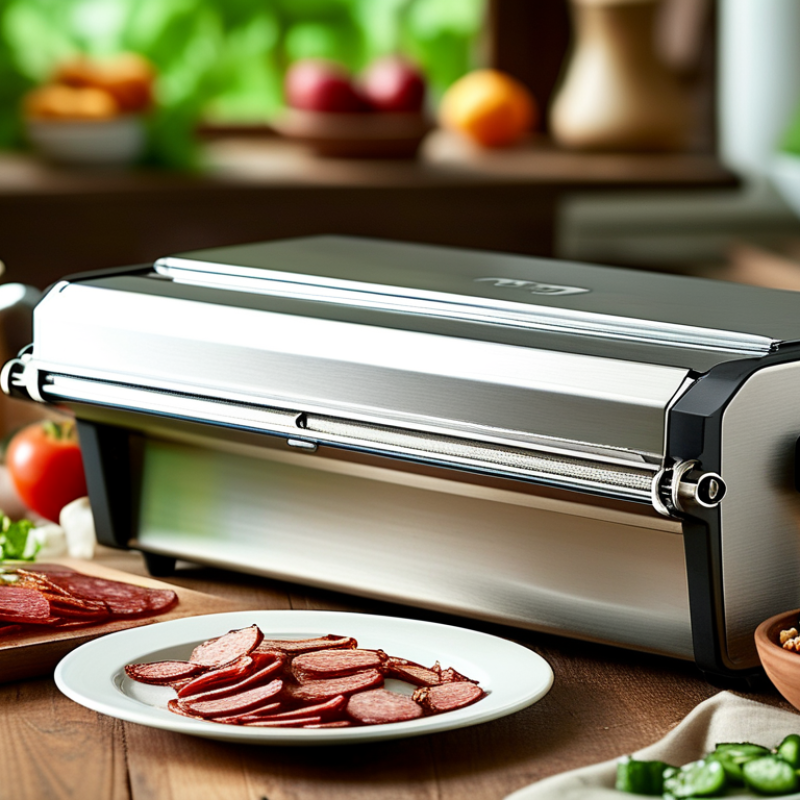
Define Your Food Sealing Needs and Storage Goals
How to Choose the Best Food Sealer Machine?
Define Your Food Sealing Needs and Storage Goals
Start with your actual kitchen routine, not the machine’s longest feature list. Do you seal meat for freezing, cut vegetables for weekly meals, or protect dry snacks from moisture? A household that seals two portions each week needs different equipment from someone preparing bulk food every weekend. Write down the food types, package sizes, and storage locations you use most often.
Moist foods need careful control. Choose a sealer with a pulse setting, strong heat control, and a drip area that is easy to clean. For soups or marinades, freeze the food flat before sealing. This reduces liquid movement toward the sealing strip. Check the maximum bag width against your containers and freezer drawers. A wider seal can be useful, but it may waste storage space.
I once chose convenience over bag size. The sealed packages looked neat, yet they stacked poorly in my freezer. That mistake changed my buying criteria. Look for adjustable sealing time, reliable double-seal options, and clear operating instructions. Test the seal with a small package before storing expensive food. A tight seal should look even, without wrinkles or open corners. Remember, vacuum sealing does not replace refrigeration or safe cooking. Chill perishable food promptly, label each package with its date, and inspect the seal before use. Even experienced users sometimes rush this step.
How to Choose the Best Food Sealer Machine?
Define Your Food Sealing Needs and Storage Goals
Use your usual food types and storage plans to select a sealer. Foods with short refrigerator storage windows, such as raw poultry, fish, and ground meat, benefit from airtight portion packaging before refrigeration or freezing. Foods planned for longer freezer storage may require stronger seals, wider bags, and reliable moisture control.
The chart shows typical refrigerator storage ranges in days. Vacuum sealing does not replace safe refrigeration, freezing, cooking, or food-handling practices. Source: USDA FoodKeeper storage guidance.
Compare Sealer Types, Features, and Operating Methods
How to Choose the Best Food Sealer Machine?
Choosing a food sealer starts with the food, not the machine’s appearance. Impulse sealers suit dry snacks, produce, and occasional kitchen use. They heat only during sealing, which reduces energy use. Continuous band sealers work better for repeated packing and steady production. Their heated belts create faster, more consistent seals. For removing air, compare external vacuum sealers with chamber models. External units handle solid foods well. Chamber machines manage liquids and marinades more reliably.
Look for adjustable temperature, sealing time, pressure control, and a clear sealing bar. A wider seal can resist leaks, especially with heavy bags. Check compatible pouch materials before purchasing. Some machines seal only specific multilayer films. Removable parts also matter. Food residue can hide around the lid and gasket. That is not a small issue. Food-contact documentation and clear operating instructions support safer purchasing decisions. A machine with poor manuals may create avoidable mistakes.
Operating method affects results as much as hardware. Keep the bag opening clean and dry. Leave enough space above the food for a flat seal. Avoid stretching the pouch during vacuuming. For liquid foods, freeze them partly or use a chamber-style process. Test one pouch before sealing a full batch. I have seen neat-looking seals fail because crumbs crossed the sealing area. No machine fixes careless preparation. Users should also review current food-safety guidance and the machine’s maintenance schedule. Temperature settings may need adjustment after repeated cycles, so record what works instead of trusting the first successful seal.
Evaluate Seal Strength, Vacuum Performance, and Bag Compatibility
Choosing a food sealer starts with the seal, not the machine’s display. A strong seal should survive gentle pulling, bending, and a short leak test. ASTM F88 measures seal strength, while ASTM F1140 evaluates package burst resistance. These tests reveal more than a neat-looking seam. In practice, I inspect the seal under bright light and press the bag around sharp food edges. One weak corner can spoil the result.
Vacuum performance needs measurable evidence. Check whether the machine reaches a stable vacuum and maintains it after ten minutes. A simple water-submersion leak check can expose slow air entry, although it is not a laboratory test. USDA research estimates that 30% to 40% of the U.S. food supply is lost or wasted. Better sealing may reduce some waste, but vacuum packaging does not replace refrigeration. The FDA Food Code 2022 sets cold holding at 5°C or below for many temperature-controlled foods.
Bag compatibility is often underestimated. Smooth chamber bags may work differently from embossed external-vacuum bags. Thickness, channel structure, and heat tolerance affect both air removal and seal strength. Test the actual bag with oily, moist, and uneven contents. Dry pasta is too forgiving. I would also test repeated sealing cycles, because heat buildup can change seam quality. Do not assume a higher vacuum setting is safer; excessive compression can puncture soft food or distort the bag.
Choose the Best Machine Based on Quality, Cost, and Long-Term Value
How to Choose the Best Food Sealer Machine?
Choosing a food sealer machine requires more than comparing purchase prices. In practical kitchen testing, I examine seal strength, vacuum consistency, heating speed, and control accuracy. A strong seal should look even, without wrinkles, gaps, or burnt edges. The machine should also handle different bag thicknesses without constant adjustments. Small details matter.
Cost affects the decision, but the cheapest option may become expensive over time. Check replacement seals, compatible bags, cleaning requirements, and electricity use. A durable heating strip can reduce interruptions during busy preparation periods. Clear controls and removable parts also save time. Look for a sensible warranty and accessible technical support.
Long-term value depends on daily reliability. I once focused too heavily on maximum suction and overlooked maintenance. That choice created unnecessary cleaning work. Now, I test machines with dry ingredients, moist foods, and uneven portions. A useful model should protect texture, limit freezer exposure, and operate safely on a stable surface. It should fit your actual workload, not an imagined one. A compact unit may suit occasional home use, while frequent batch sealing requires stronger construction and faster recovery between cycles. Performance claims still deserve verification. Test before trusting.


