2025 Top Trends for Printed Shipping Boxes You Need to Know
As we approach 2025, the packaging industry is experiencing a significant transformation driven by innovation and sustainability. One of the most notable trends is the evolution of printed shipping boxes, which are becoming increasingly essential for businesses looking to enhance their brand identity while meeting consumer demand for eco-friendly solutions. These printed shipping boxes not only serve a practical purpose in safely transporting products but also play a crucial role in marketing and customer engagement.
The trends shaping the future of printed shipping boxes revolve around customization, eco-conscious materials, and technology integration. Brands are recognizing the importance of making a strong impression right from the moment a product arrives at a customer's doorstep. By adopting unique designs and personalized messages on their printed shipping boxes, companies can create memorable unboxing experiences that resonate with consumers. Furthermore, the shift towards biodegradable and recyclable packaging materials reflects a growing commitment to sustainability within the industry, catering to environmentally aware customers.
In this article, we will explore the top trends for printed shipping boxes that every business should be aware of as we move into 2025. From innovative designs to sustainable practices, understanding these trends will equip companies with the insights needed to thrive in a competitive market while fostering positive customer relations.
Emerging Trends in Sustainable Materials for Printed Shipping Boxes in 2025
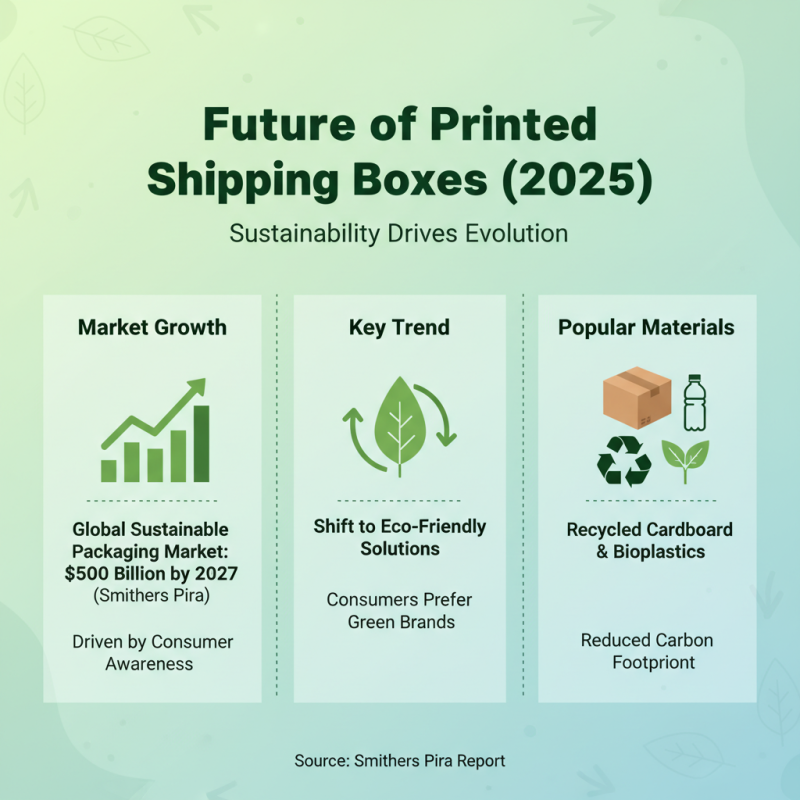
As we look toward 2025, the demand for printed shipping boxes is poised to evolve significantly, driven largely by a heightened focus on sustainability. According to the latest report from Smithers Pira, the global sustainable packaging market is expected to reach $500 billion by 2027, with a substantial share dedicated to eco-friendly shipping solutions. This shift is primarily fueled by consumers' growing awareness of environmental issues and their preference for brands that prioritize sustainability. In this context, materials like recycled cardboard and bioplastics are becoming increasingly popular for printed shipping boxes, allowing companies to reduce their carbon footprint while maintaining product integrity.
One particularly promising trend is the use of water-based inks and adhesives in the printing process. A study from the Paper and Packaging Board reveals that over 70% of consumers are willing to pay a premium for products with clearly defined sustainability credentials. Transitioning to eco-friendly printing methods not only minimizes waste but also enhances the recyclability of packaging materials, addressing consumer concerns about the lifecycle of products. Furthermore, innovations in biodegradable coatings are advancing, potentially eliminating the need for plastic lamination, which complicates recycling. As these trends unfold, businesses that adopt sustainable materials and practices are likely to gain a competitive edge in an increasingly eco-conscious market.
The Rise of Customization: How Brands are Personalizing Shipping Boxes
The trend of customizing shipping boxes is rapidly gaining momentum, driven by the need for brands to differentiate themselves in an increasingly competitive market. According to a recent report by Smithers Pira, the global market for packaging is expected to grow to USD 500 billion by 2027, with a significant portion attributed to customized packaging solutions. Brands are recognizing that personalized shipping boxes not only enhance the unboxing experience but also foster customer loyalty and brand recognition. By tailoring designs, colors, and messages to resonate with specific target demographics, companies can create a more impactful connection with consumers.
Another significant aspect of customization is sustainability. As reported in a study by the Packaging Innovation Group, consumers are increasingly prioritizing environmentally friendly practices when choosing brands. Custom packaging that incorporates recycled materials or eco-friendly inks not only meets consumer demands but also allows brands to highlight their commitment to sustainability. In fact, a survey conducted by the Packaging Research Institute found that 66% of consumers are more likely to purchase products from brands that offer sustainable packaging. By investing in personalized, sustainable shipping boxes, companies can leverage these trends to enhance their market position and foster deeper relationships with their audience.
Impact of E-commerce Growth on Printed Packaging Designs in 2025
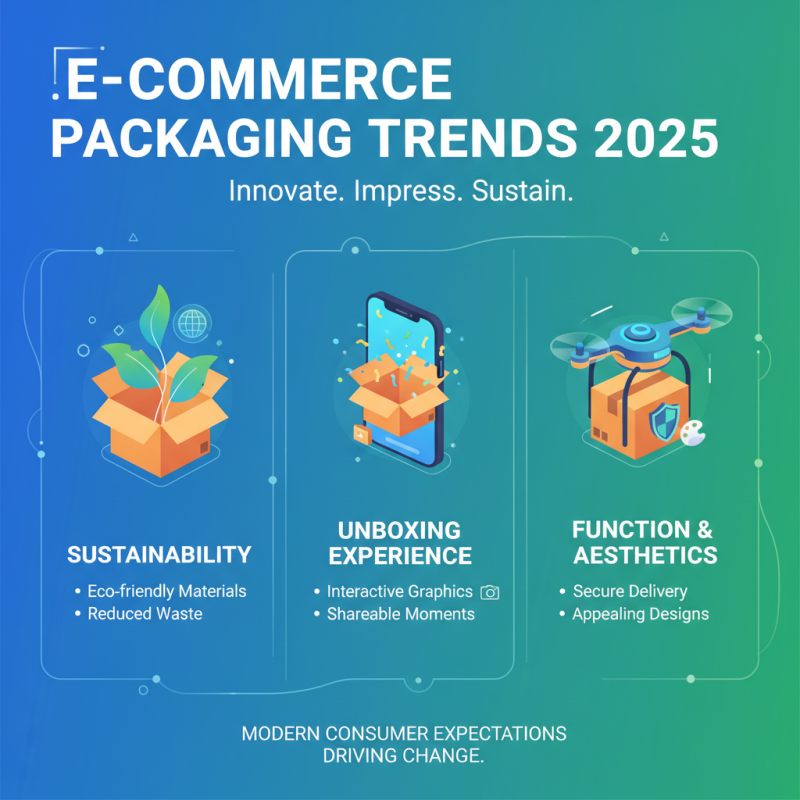
As e-commerce continues to surge, the impact on printed packaging designs is becoming increasingly profound. In 2025, businesses will need to adapt their packaging strategies to meet the expectations of a modern consumer base that values not only functionality but also aesthetics and sustainability. The rise in online shopping has shifted the focus towards creating packaging that captures attention while ensuring the safe delivery of products. Innovative designs that blend vibrant graphics and practical features will dominate the landscape, as companies strive to create unboxing experiences that are memorable and shareable.
Sustainability will be at the forefront of printed packaging designs, driven by consumer demand for eco-friendly solutions. Businesses will explore recyclable, biodegradable, and reusable materials to minimize their environmental footprint. In this context, printed shipping boxes will not only serve as a means of transportation but also as a statement of a brand's commitment to sustainability. This shift will necessitate collaboration between packaging designers and manufacturers to create solutions that are both visually compelling and environmentally responsible, ensuring that the growth of e-commerce aligns with the broader goal of sustainability in the marketplace.
Technological Innovations Driving Efficiency in Shipping Box Production
In 2025, the landscape of printed shipping box production is set to be revolutionized by technological innovations that improve efficiency and sustainability. One of the driving forces behind this shift is the integration of automation in manufacturing processes. Automated machinery not only accelerates production times but also minimizes human error, leading to a significant decrease in waste. Factories are adopting robotic systems for tasks such as box folding and sealing, which streamline the assembly line and ensure consistent quality across large batches of shipping boxes.
Moreover, advancements in printing technology play a pivotal role in enhancing the customization of shipping boxes. The emergence of digital printing techniques allows companies to produce high-quality prints with vibrant colors and intricate designs on demand, reducing the need for large inventories of pre-printed boxes. This results in a more agile supply chain capable of meeting customer preferences swiftly while limiting excess stock. Additionally, eco-friendly materials and inks are becoming more accessible, aligning with the growing consumer demand for sustainable packaging solutions. By embracing these innovations, companies can enhance their operational efficiencies while also addressing environmental concerns in the logistics sector.
2025 Top Trends for Printed Shipping Boxes
Consumer Preferences Shaping the Future of Printed Shipping Box Aesthetics
The world of printed shipping boxes is undergoing a remarkable transformation, primarily driven by evolving consumer preferences. According to a recent report by Smithers Pira, the market for printed packaging is expected to reach $500 billion by 2025, fueled by an increasing demand for aesthetic designs that enhance brand identity and consumer experience. Modern consumers are more discerning than ever, seeking not only functionality in packaging but also visual appeal. This shift has led many businesses to invest in innovative designs, eco-friendly inks, and sustainable materials to attract attention on a crowded shelf.
One of the critical trends shaping the future aesthetics of printed shipping boxes is personalization. A study by Mintel indicates that 61% of consumers prefer brands that offer personalized packaging options, which enhances their unboxing experience. This preference encourages brands to incorporate unique designs, colors, and even customizable elements into their shipping boxes, thereby creating a memorable encounter that fosters brand loyalty. Another significant factor influencing printed box designs is sustainability. With 73% of consumers willing to pay more for eco-friendly packaging, brands are tapping into biodegradable and recyclable materials, which not only reduces environmental impact but also resonates with the values of conscious consumers. As these trends continue to unfold, printed shipping boxes will play an increasingly vital role in shaping brand perception and consumer relationships.
2025 Top Trends for Printed Shipping Boxes You Need to Know
| Trend |
Description |
Consumer Preference |
Projected Impact |
| Sustainable Materials |
Use of recyclable and biodegradable materials in packaging. |
High demand for eco-friendly solutions. |
Increased brand loyalty and positive environmental impact. |
| Customization |
Personalized packaging designs tailored to individual customers. |
Growing desire for unique unboxing experiences. |
Higher customer engagement and satisfaction. |
| Minimalist Design |
Simple and clean packaging aesthetics with reduced clutter. |
Preference for elegance and sophistication. |
Enhanced visual appeal and stronger brand identity. |
| Smart Packaging |
Integration of technology such as QR codes and NFC for interactivity. |
Increasing interest in technological innovation. |
Enhanced consumer engagement and information access. |
| Bold Colors and Graphics |
Vibrant colors and eye-catching designs to attract attention. |
Preference for visually stimulating packaging. |
Increased shelf presence and brand recognition. |